
- Home
- Service & Repair
- Cable Replacement
Service & Repair · Muskego, WI
Garage Door Cable Repair in Muskego, WI
Lift cables carry the full force of your springs to the bottom of the door. When one frays, slips, or snaps, we replace it safely, check the drums, and get your door hanging straight again.
- Same-day service
- Price before we start
- Safety-tested
What Cables Do
Thin Steel Lines Carrying A Heavy Load
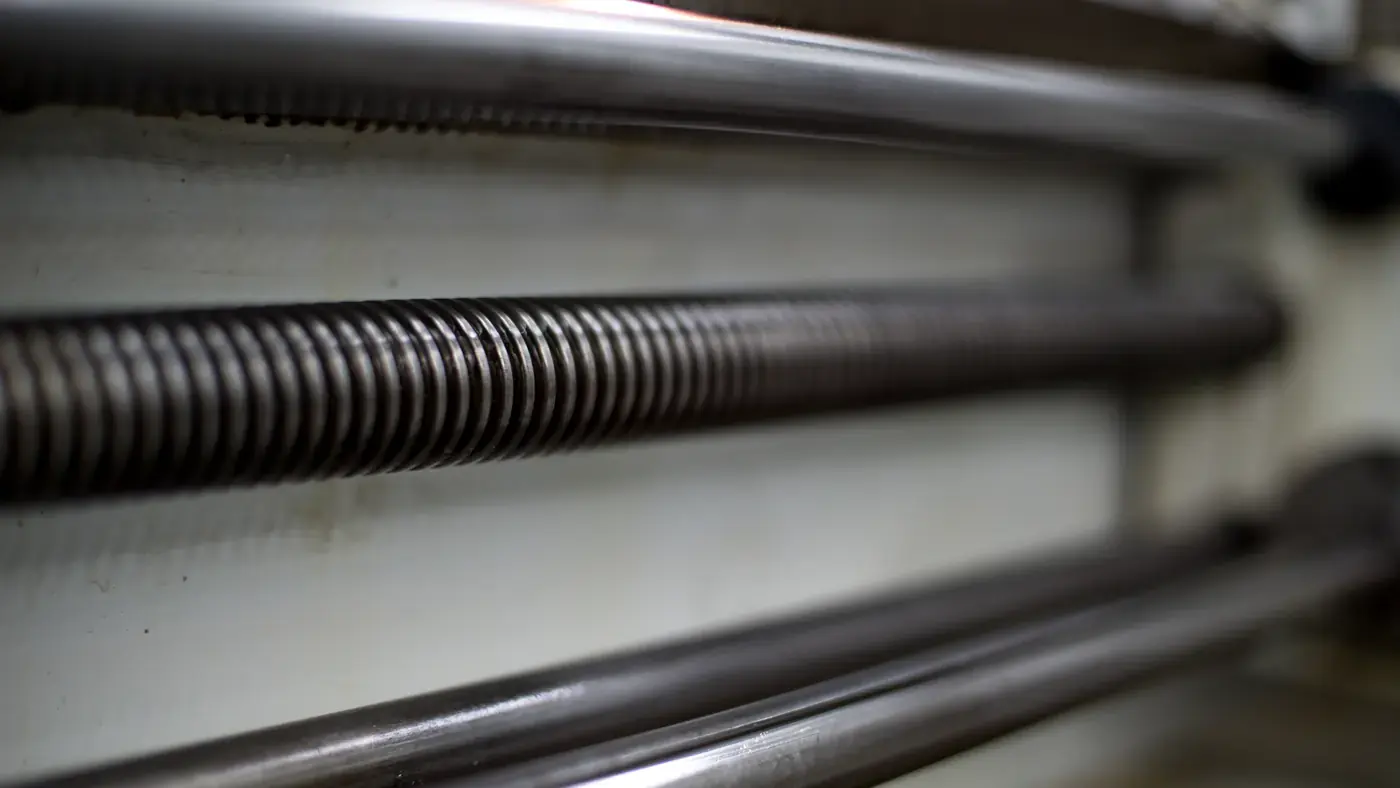
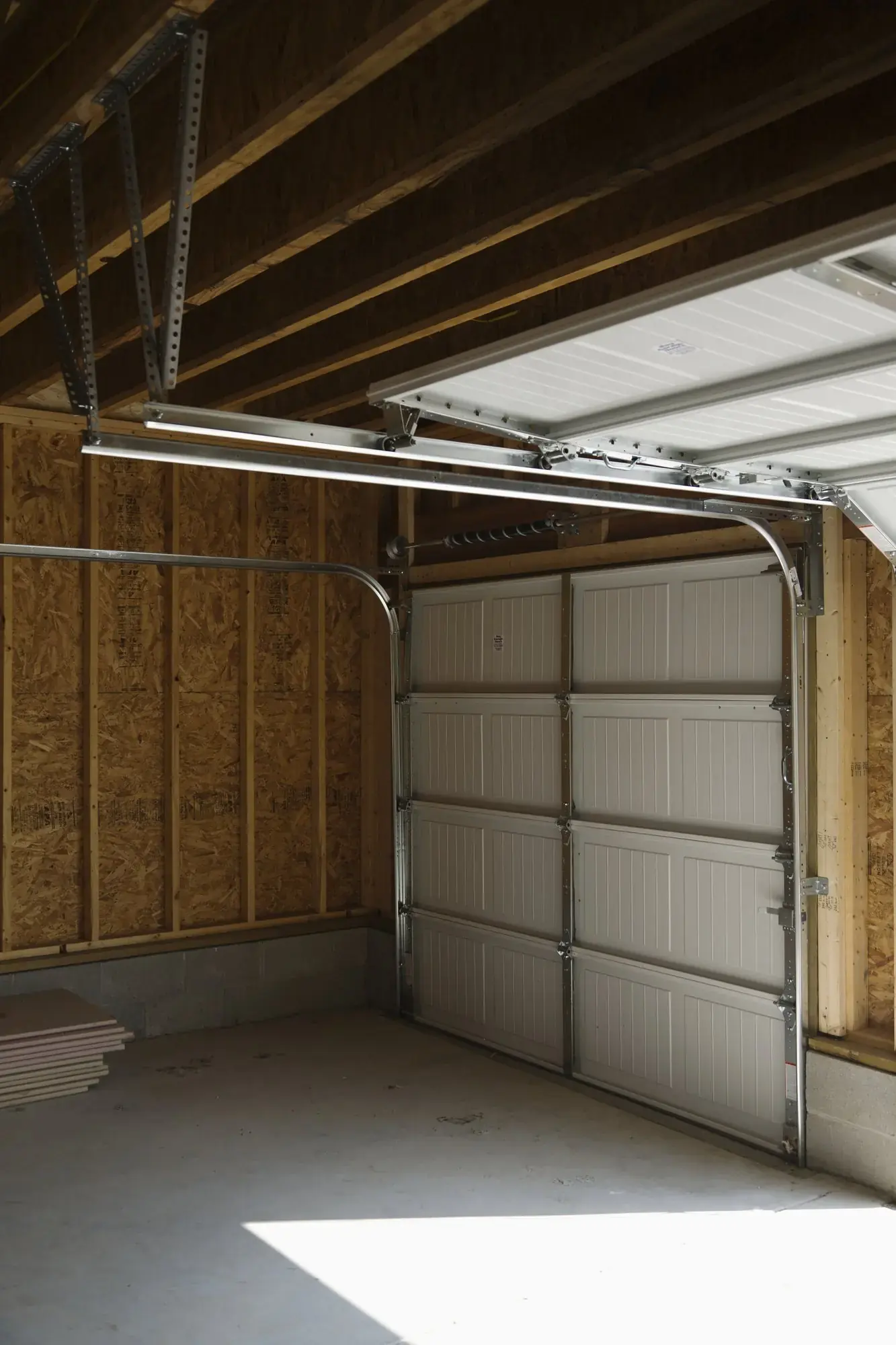
Lift cables are braided steel wires that connect your springs to the bottom corners of the door. On a torsion system, each cable runs from a bottom bracket up along the side of the door and wraps around a grooved drum at the end of the spring shaft. As the springs unwind, the drums turn and the cables lift the door evenly from both sides. On an extension system, cables run through pulleys and do the same job.
Although they look thin, these cables are under constant tension whenever the door is closed. They carry nearly the entire weight of the door, transferred from the springs, and they flex over the drums or pulleys every time the door moves. Both cables must share that load evenly. When one stretches, slips, or breaks, the door loses its balance on that side and tilts in the opening.
Because cables and springs work as one system, a cable problem is rarely just a cable problem. A broken spring can throw a cable off its drum. A worn drum can chew through a cable. A door that has been run while crooked can bend a track. Our cable repairs always include a look at every connected part so the fix lasts.
Why Cables Fail
Rust, Wear, And Strain Take A Toll Over Time
The most common cause of cable failure around Muskego is corrosion. The bottom brackets sit just inches above the slab, right where melting snow, slush, and road salt drip off cars coming in from Janesville Road and Loomis Road all winter. Salt and moisture work their way into the braided strands, and rust weakens the wire from the inside long before it looks dangerous from the outside.
Humid lake air adds to the problem for homes near Little Muskego Lake, Big Muskego Lake, and Lake Denoon, where garages can stay damp for much of the summer. Detached garages and lake cottages without much ventilation see even more corrosion. We often find cables that look fine at the top but are rusted and stiff at the bottom bracket, where moisture collects.
Mechanical wear plays a role too. Cables rub against a rough drum, a misaligned pulley, or the edge of a bracket every cycle. Over time the outer strands break one by one, leaving a frayed, bristly section that is close to failure. Doors that close onto ice or snow piled against the bottom seal can also slacken a cable and let it jump the drum.
- Rust at the bottom brackets from salt and snowmelt
- Frayed strands where cables rub on drums or pulleys
- Slack cables after a door closes onto ice or an obstruction
- Cables thrown off drums when a spring suddenly breaks
- Worn or cracked cable drums that no longer hold the wrap
- Cables cut on bent tracks or loose bottom brackets
Drums And Brackets
The Parts Around The Cable Matter Just As Much
Cable drums are grooved wheels at each end of the torsion shaft. Each groove holds one wrap of cable, keeping it neatly coiled as the door rises and lowers. When a drum cracks, its grooves wear smooth, or its set screws loosen, the cable can slip out of the grooves and stack on itself. That uneven wrap lifts one side of the door faster than the other, and the door begins to bind.
Bottom brackets anchor the other end of each cable to the lowest panel. On many doors these brackets are under spring tension, which is one reason it is so important not to loosen them while the door is closed. Rusted brackets, stripped fasteners, or a rotted bottom panel on an older wood door can allow the bracket to pull loose, dropping that corner of the door.
When we replace a cable, we inspect the drums for cracks and wear, check the set screws, look at the bottom brackets and the panel they mount to, and examine the bearings at the ends of the shaft. If any of those parts are compromised, we explain what we found and include them in the quote, so you are not facing a repeat failure a few weeks later.
What To Look For
Warning Signs Of Cable Trouble
Frayed Or Bristly Strands
Broken wires sticking out of a cable mean it is wearing through. A frayed cable can snap at any time, so stop using the door.
Door Hanging Crooked
A door tilted in the opening usually means one cable has slipped or broken. Keep everyone clear until it is secured.
Loose Cable Dangling
A cable hanging slack beside the door has come off its drum or snapped. The door is no longer supported evenly on that side.
Rust At Bottom Brackets
Orange rust on the cable ends near the floor signals weakened wire. Salt and snowmelt speed this corrosion along every winter.
Uneven Gap At Floor
Daylight under one corner but not the other suggests uneven cable tension. The door is not sitting level on the slab.
Snapping Or Clunking Sounds
A sharp snap or a clunk when the door moves can mean a cable is jumping on the drum or has just broken. Stop and call us.
Our Process
How We Handle Cable Replacement
Secure The Door
We clamp the door in place and, where needed, relieve spring tension in a controlled way. Safety comes before any hardware is touched.
Inspect Connected Parts
We check drums, bottom brackets, bearings, tracks, and springs for damage. You get a clear explanation and the price before we start.
Install New Cables
Both cables are replaced, cut to your door height, and wound evenly onto the drums. Damaged drums or brackets are replaced as needed.
Level And Balance
We confirm the door sits level, rebalance the springs, and lubricate moving parts. Several test cycles and a safety reversal check finish the job.
Serious Safety
Cables Store Real Force Leave Them To Us
A lift cable connected to a wound torsion spring is under tremendous tension. If it snaps or comes loose while someone is nearby, it can whip with enough force to cause serious injuries. Unhooking a cable from a bottom bracket on a closed door releases that tension all at once. This is not a job for a weekend project or a borrowed set of pliers. Please do not adjust torsion springs or cables yourself.
If you notice a frayed cable, stop using the door. If a cable has already snapped, the door may be hanging crooked or partially stuck, and it can shift or fall without warning. Keep children, pets, and vehicles clear, unplug the opener, and leave the door where it is. Do not try to force it up or down to free your car.
When we arrive, we first secure the door with clamps and, where needed, release spring tension in a controlled way. Only then do we remove the damaged cables and hardware. This careful sequence is what keeps the repair safe, and it is the same sequence we follow on every job from the Tess Corners neighborhoods to homes out in Big Bend and Vernon.
The Repair
New Cables In Pairs For An Even, Level Lift
We replace lift cables in pairs as a standard practice. Both cables have carried the same load through the same seasons, and a new cable will not stretch or behave exactly like an old one. Pairing a fresh cable with a worn one can leave the door slightly uneven, which shows up as a gap at one end of the bottom seal or a door that drifts sideways in its tracks.
Each new cable is cut to the correct length for your door height, attached to the bottom brackets, and wound onto the drums with equal tension on both sides. We check that the door sits level on the floor and rises evenly, then rebalance the springs so the door holds steady at mid-height. If tracks were bent while the door was hanging crooked, we straighten or replace those sections too.
Before we leave, we lubricate the bearings, rollers, and hinges and run the door through several cycles while watching both cables wind and unwind. We also test the opener's safety reversal. You end up with a quiet, level door and a clear explanation of what failed, why it happened, and what you can do to help prevent it in the future.
Cable Replacement FAQ
Questions About Cable Replacement
We recommend stopping right away. A frayed cable is already losing strength and can snap without warning, which can drop one side of the door or throw it off its tracks. Unplug the opener and call us to replace the cables before it fails completely.
Cables usually jump the drum when they lose tension. Common causes include a broken spring, a door closing onto ice or an object, worn drum grooves, or a loose bottom bracket. We find the cause along with replacing or rewinding the cable so it does not happen again.
Yes, in most cases. Both cables have the same age and wear, and a new cable paired with an old one can leave the door uneven. Replacing them together gives you balanced lifting and avoids a second visit for the other side.
It can be. Cables are under heavy spring tension, and a door with a broken cable may be hanging crooked and could shift or fall. Keep people and pets clear, do not try to force the door, and let a trained technician secure it and make the repair.
Rinse or wipe away salt and slush that collects near the bottom of the door during winter, and keep the garage as dry and ventilated as you can. A light application of garage door lubricant on the cable ends near the brackets also helps. We can point out problem areas during a tune-up.
Yes. Extension spring systems use cables routed through pulleys, and we replace those cables, pulleys, and safety cables as needed. If your system is worn throughout, we can also talk with you about converting to a torsion setup.
Muskego Garage Door Pros
Frayed Or Snapped Cable? Call Us
Keep clear of the door and let us secure it, replace the cables in pairs, and rebalance everything, with the price quoted before we begin.
More Services
Other Ways We Help Muskego Homeowners
 Service & Repair
Roller Replacement
Quiet sealed-bearing rollers that end the grinding and take strain off your opener.
Learn More → Service & Repair
Panel Replacement
Dented or cracked section? We source a matching panel and restore a straight, sealed door.
Learn More → Service & Repair
Track Replacement
Bent or misaligned tracks straightened or replaced, brackets re-anchored, door back on line.
Learn More →