- Home
- Garage Doors
- Garage Door Materials
Garage Doors · Muskego, WI
Garage Door Materials for Muskego, WI Homes
The material your garage door is made from decides how it handles subzero cold, humid lake summers, and road salt. Here is what we have learned about each option, so you can choose with confidence.
- Same-day service
- Price before we start
- Safety-tested
Steel Doors
Steel Is The Workhorse Of Wisconsin Driveways
Steel is the most common garage door material in the Muskego area, and for good reason. It is strong, relatively light for its size, low maintenance, and available in an enormous range of styles, from simple flush panels to raised panels and carriage-house designs. A factory-applied paint finish over galvanized steel resists the weather well, and steel won't swell, warp, or rot when humid summer air rolls off Little Muskego Lake.
Steel doors come in different thicknesses, called gauges, and in different constructions. A single-layer steel door is just a skin of steel stamped into a panel pattern with no backing. Two-layer doors add a layer of insulation glued to the back of the steel, and three-layer doors sandwich insulation between two steel skins. Thicker steel and more layers mean better dent resistance and a more solid feel.
The weak point of steel in our climate is corrosion. When the paint is scratched or chipped, especially along the bottom edge where road salt and slush collect all winter, rust can start and creep under the finish. Rinsing salty slush off the bottom of the door now and then and touching up chips promptly goes a long way. Thin, single-layer steel also dents more easily from bumpers, basketballs, and hail.
Insulated Steel
Insulated Steel Adds Comfort And A Whole Lot Of Quiet
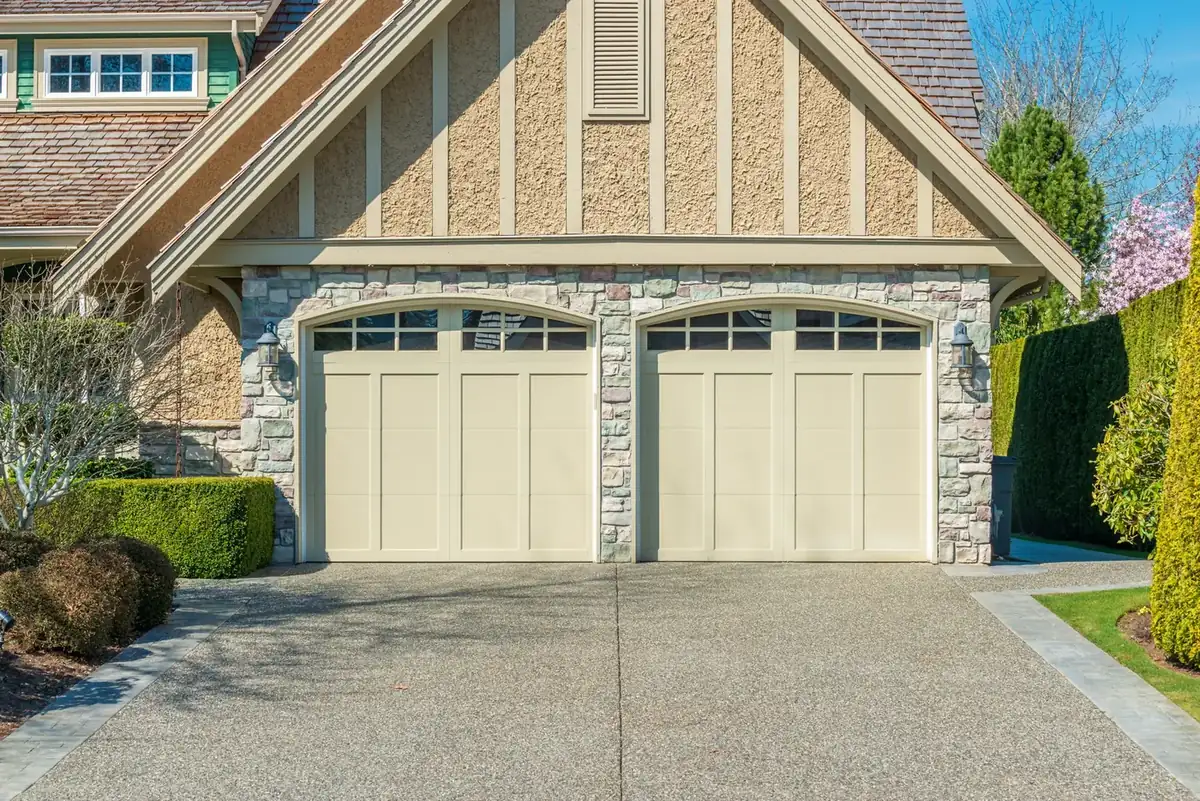
An insulated steel door is the choice we see most often for attached garages in Muskego, New Berlin, and Franklin. Insulation comes in two main forms. Polystyrene is a rigid foam board fitted into the panel, while polyurethane is a foam injected between two steel skins that expands and bonds to both. Polyurethane typically delivers higher insulating value for the same thickness and makes the door noticeably stiffer.
The benefits go beyond warmth. An insulated door is quieter when it moves because the foam dampens vibration in the steel. It resists dents better because the core supports the skin. It also helps keep an attached garage closer to a moderate temperature, which matters for rooms above the garage, the shared wall with your house, and anything you store out there, from paint cans to a second refrigerator.
The tradeoffs are modest. Insulated doors are heavier, so springs and openers must be sized correctly, and they cost more up front than a single-layer door. For a detached storage garage at a lake cottage near Lake Denoon or Wind Lake, insulation may not be worth it. For an attached garage in a Wisconsin winter, it usually is.
- Polystyrene: rigid foam panels, good value, moderate insulation
- Polyurethane: injected foam bonded to both skins, stiffer and warmer
- Quieter operation and better dent resistance than single-layer steel
- Heavier doors need correctly sized springs and openers
- Best fit for attached garages and heated or finished spaces
Wood And Composite
Wood Looks Warm Composite Keeps It Easy
Real wood doors have a richness that nothing else quite matches. Cedar, redwood, and hemlock doors can be stained to show the grain, built as carriage-house designs, and customized in ways stamped steel can't. On a lakeside home or an older house with natural siding, a wood door can tie the whole facade together beautifully. Wood also offers some natural insulation, and solid wood resists small dents better than thin steel.
The catch is maintenance, and our climate is hard on wood. Freeze-thaw cycles, humid summers near Big Muskego Lake, spring storms, and snow piled against the bottom seal all push moisture into the door. Wood needs regular refinishing, typically every few years depending on exposure, to keep water out. If that schedule slips, panels can crack, joints can open, and the bottom rail can rot. Wood doors are also heavier, which puts more demand on springs and openers.
Composite and faux wood doors were developed to close that gap. Some are steel doors with a realistic wood-grain finish or a composite overlay, while others use molded composite material over an insulated core. From the street, a good faux wood door can look remarkably like stained cedar, but it won't rot, needs far less upkeep, and is usually lighter. For homeowners who love the look of wood but not the sanding and staining, composite is often the sweet spot.
Composite quality varies, so we look at how a product handles UV fading and temperature swings before we recommend it for a south- or west-facing driveway.
What To Look For
Six Materials Six Different Strengths
Single-Layer Steel
Affordable, light, and low maintenance. Best for detached garages where insulation and dent resistance matter less.
Insulated Steel
Warmer, quieter, and stiffer than plain steel. The go-to choice for attached garages in a Wisconsin winter.
Natural Wood
Beautiful grain and custom designs with real character. Needs regular refinishing to stand up to moisture and freeze-thaw.
Composite And Faux Wood
The look of wood with far less upkeep and no rot. Quality varies, so UV resistance is worth checking.
Aluminum And Glass
Light-filled and modern, and it won't rust. Lower insulation, so choose insulated glass for attached garages.
Fiberglass
Resists rust, dents, and salt air well near the lakes. Can become brittle and crack in severe cold.
Our Process
How We Handle Garage Door Materials
Talk Through Priorities
We ask how you use the garage, how much maintenance you want, and what look you are after. That narrows the material choices quickly.
Measure And Show Samples
We measure your opening and headroom and show you material samples and styles. You see colors and textures in your own light.
Quote Your Options
You get clear quotes for the materials that fit, side by side. We quote the price before we start any work.
Install And Set Up
We remove the old door, install the new one, and size springs to the new door's weight. Then we balance, seal, and test everything.
Glass And Fiberglass
Aluminum, Glass And Fiberglass Modern Looks With Tradeoffs
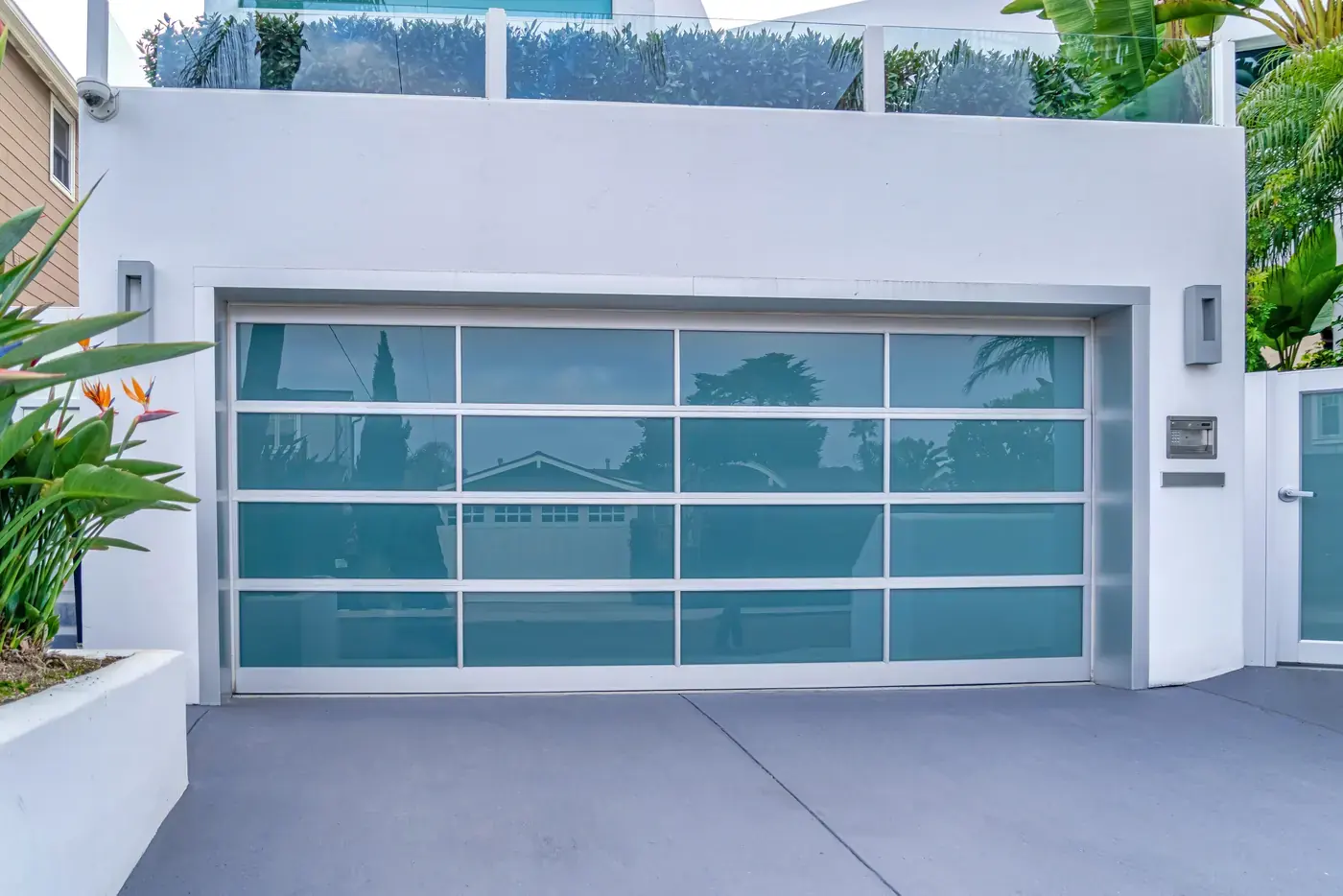
Aluminum and glass doors, sometimes called full-view doors, use a slim aluminum frame filled with glass or polycarbonate panels. They fill a garage with daylight and suit modern homes, workshops, and lake houses that open onto a patio or view. Aluminum doesn't rust the way steel does, and it's lightweight, so the door is easy on springs and openers. Frames come in several finishes, and glass options include clear, frosted, tinted, and insulated units.
In Wisconsin, these doors need careful thought. Single-pane glass and an uninsulated aluminum frame let a lot of heat escape, and condensation can form on the inside during cold snaps. Insulated glass and thermally improved frames help, but a full-view door will generally not insulate as well as an insulated steel door. Privacy is another consideration, so frosted or obscured glass is popular on street-facing garages along busy roads like Janesville Road or Loomis Road.
Fiberglass doors use fiberglass skins, often over a steel frame and insulated core, and can be molded with convincing wood-grain textures. Fiberglass resists dents, rust, and salt air well, which makes it appealing near the lakes. The downside is that it can become brittle in extreme cold and crack under a sharp impact, and it may fade or yellow with long sun exposure. Repairs are harder to blend in than on steel.
- Aluminum and glass: abundant light and modern style, lower insulation
- Insulated glass and better frames reduce heat loss and condensation
- Frosted or obscured glass adds privacy on street-facing doors
- Fiberglass: resists rust and salt air, can crack in hard cold
- Both materials are lighter than wood and easier on springs
Choosing Well
Match The Material To How You Live
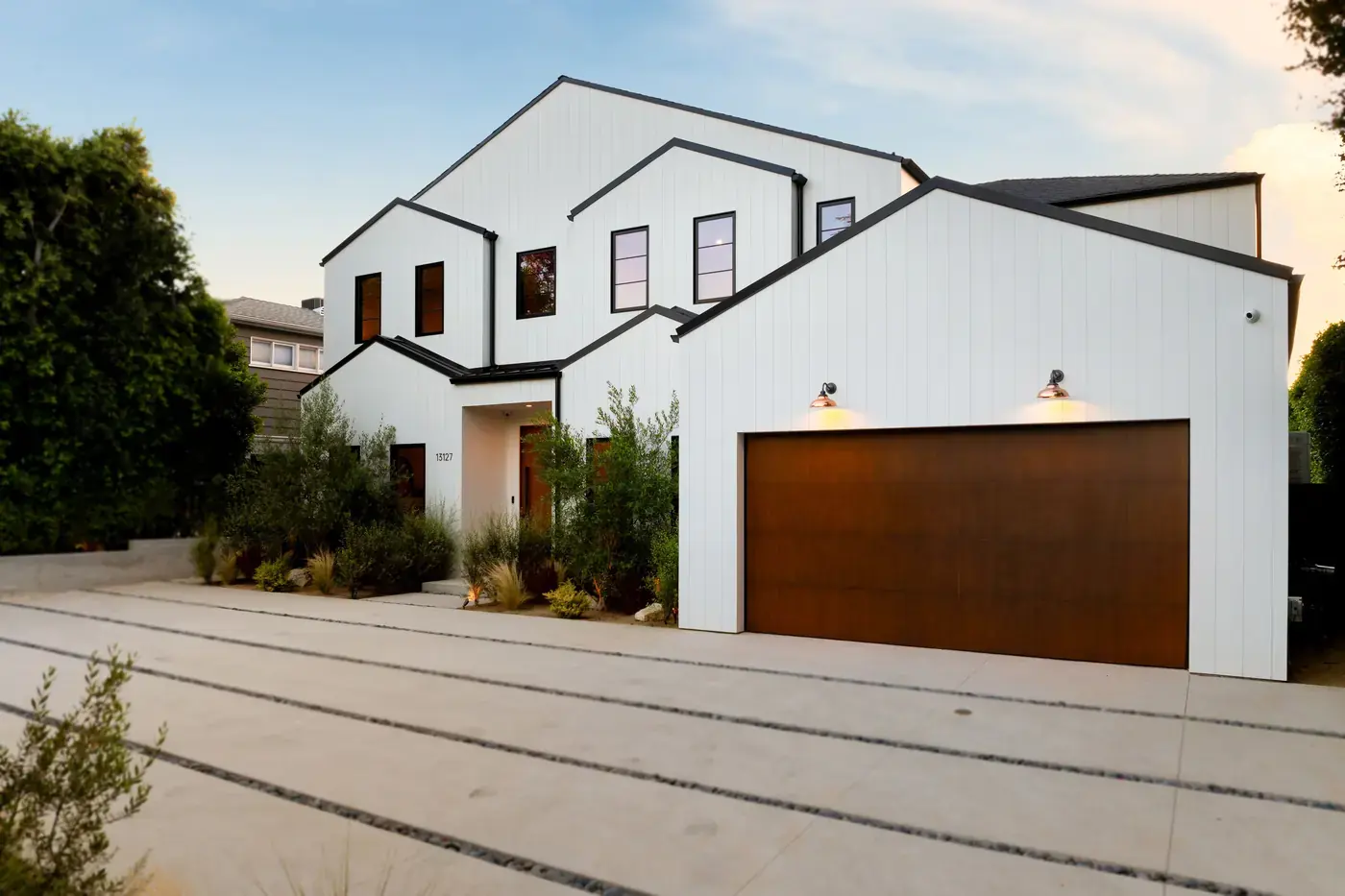
The best material depends on your garage, your house, and how much upkeep you want. If the garage is attached and you care about comfort, an insulated steel door is the dependable all-around choice. If curb appeal leads and you are willing to maintain it, wood can be stunning. If you want the wood look without the work, composite or faux wood steel makes sense. For a modern home or a workshop that needs light, aluminum and glass shines, and fiberglass is a solid option near the water.
Think about exposure too. A door facing south or west across an open driveway gets more sun, which fades finishes and heats dark colors. A door on a lake cottage takes more humidity, and a door near a busy road gets more salt spray from passing traffic in winter. In tight lots in 1970s to 1990s subdivisions, where cars park inches from the door, dent resistance moves up the priority list.
We are happy to bring samples, talk through the pros and cons honestly, and show you how each option fits your opening and your budget. We quote the price before we start and will walk you through parts and labor coverage on any new door. We serve Muskego, Hales Corners, Greenfield, Big Bend, Waterford, and nearby communities, with same-day service when you call early for repairs and convenient appointments for new door consultations, including evenings and weekends when available.
Garage Door Materials FAQ
Questions About Garage Door Materials
For most attached garages, insulated steel offers the best mix of warmth, durability, and low maintenance. Polyurethane-insulated doors are especially stiff and warm. Other materials can work well too, but they involve more tradeoffs in our climate.
Steel doors have a galvanized base and a factory paint finish that resist rust well, but scratches and chips can let corrosion start. Humid lake air and road salt speed that up. Rinsing the bottom edge occasionally and touching up chips helps a steel door last.
If you love the look and don't mind refinishing every few years, wood can be very rewarding. If maintenance slips, our freeze-thaw cycles and humidity can cause cracking and rot. Composite or faux wood steel doors give a similar appearance with much less upkeep.
Glass doors generally insulate less than insulated steel doors, even with insulated glass. They can also show condensation during cold snaps. They work well for workshops, detached garages, and modern homes where daylight is a priority.
Yes. Springs are sized to the exact weight of the door, so switching from a light steel door to a heavier wood or insulated door requires new springs. We calculate and install the correct springs with every new door. Never adjust torsion springs or cables yourself.
Absolutely. We bring samples and color options to your home so you can see them against your siding and in your own daylight. That makes it much easier to choose with confidence.
Muskego Garage Door Pros
Not Sure Which Material Fits?
We will bring samples, measure your opening, and help you weigh the options for your home. You get honest advice and the price before we start.
More Services
Other Ways We Help Muskego Homeowners
 Garage Doors
Garage Door Styles
Raised panel, carriage house, modern flush or full-view glass, matched to your home.
Learn More →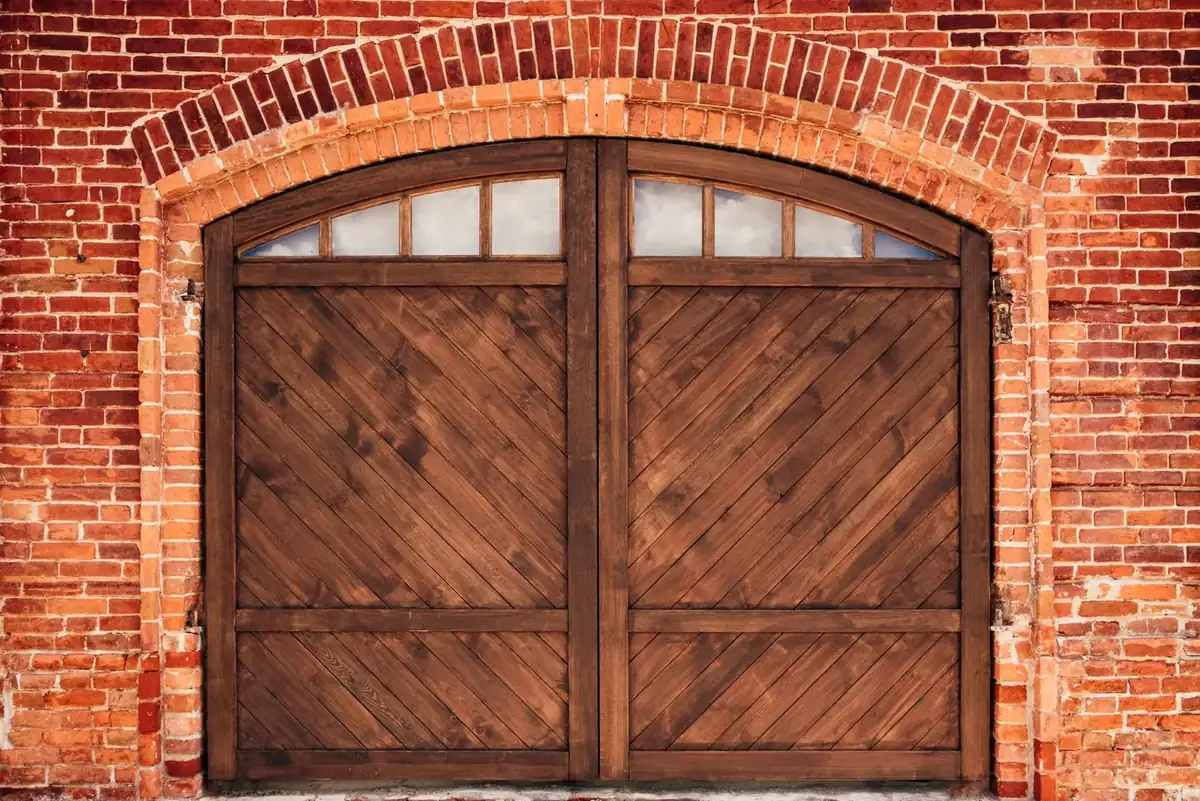 Garage Doors
Custom Garage Doors
Custom sizes, colors, wood species, glass and hardware for one-of-a-kind homes.
Learn More → Openers
Opener Installation
Quiet belt, chain and wall-mount openers with smart controls and battery backup.
Learn More →