
- Home
- Garage Doors
- Garage Door Installation
Garage Doors · Muskego, WI
New Garage Door Installation in Muskego, WI
A new garage door changes how your home looks, how your garage feels in January, and how quietly everything runs. We measure, remove the old door, and install the new one right the first time.
- Same-day service
- Price before we start
- Safety-tested
Start With Measuring
A Great Install Starts With A Tape Measure
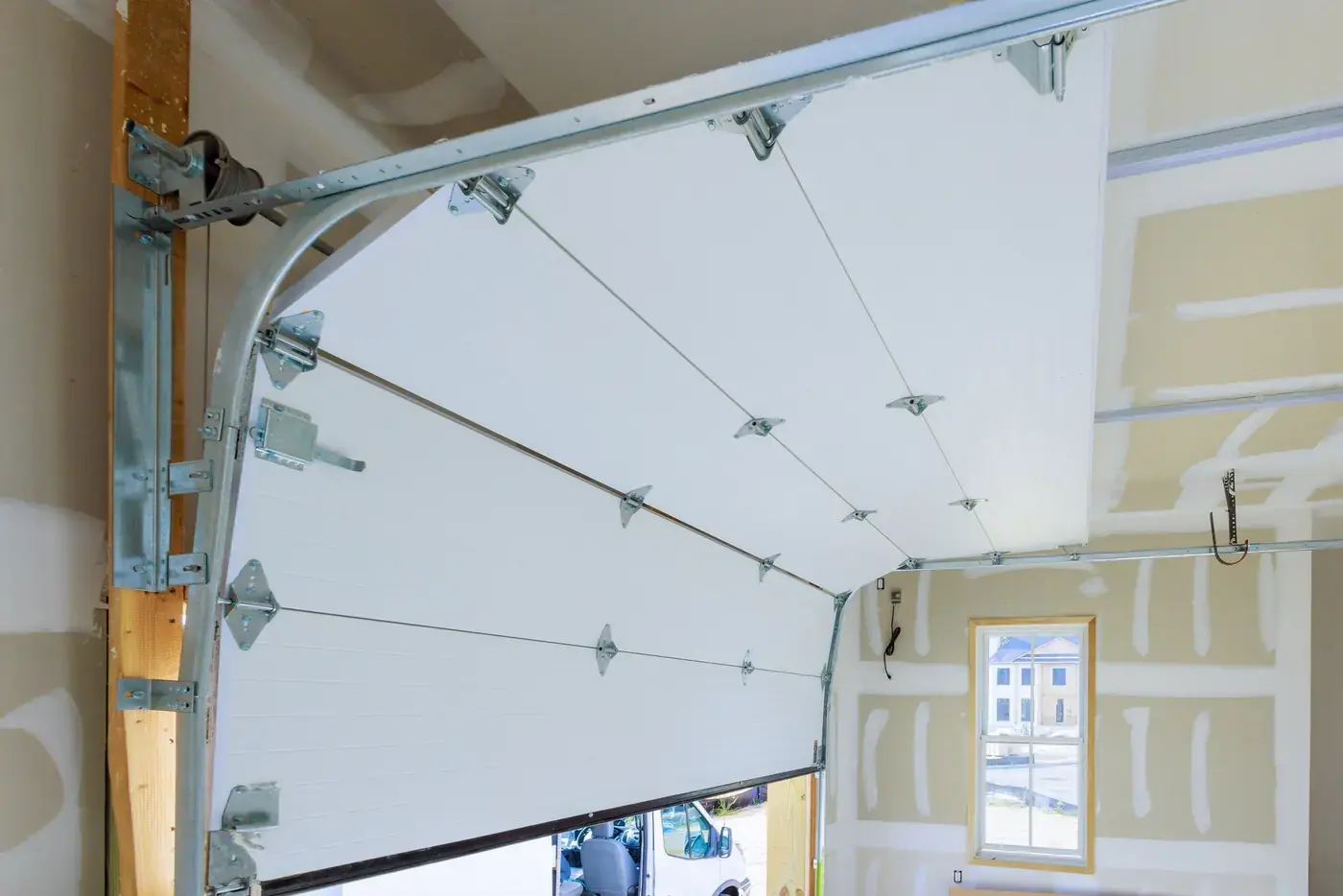
Every new door begins with a site visit, not a catalog. We measure the rough opening width and height, check whether the opening is square, and look at the side room on each side of the opening where the vertical tracks and jamb brackets will mount. A door that is ordered even slightly off will leave gaps at the sides or top that no amount of weatherseal can hide, so we measure several points across the opening and work from the real numbers rather than the nominal size.
We also measure backroom, which is the depth from the opening back toward the rear wall of the garage. The horizontal tracks and the opener need room to run, and a garage with a furnace, storage loft, or overhead beam in the way may need a different track arrangement. In older Muskego homes built in the 1970s and 1980s, we often find shelving, attic hatches, or lighting placed right where tracks want to go, and it is far better to discover that before the door is ordered.
Framing gets a close look too. The jambs and header have to be solid enough to hold the track brackets and spring anchor. Rotted jamb wood at the bottom, a common sight on garages that have spent decades in snowmelt and road salt, should be replaced before a new door goes in. We point out anything like that during the measure, so the quote you receive reflects the full job.
Headroom And Lift
Headroom Decides Which Track System You Get
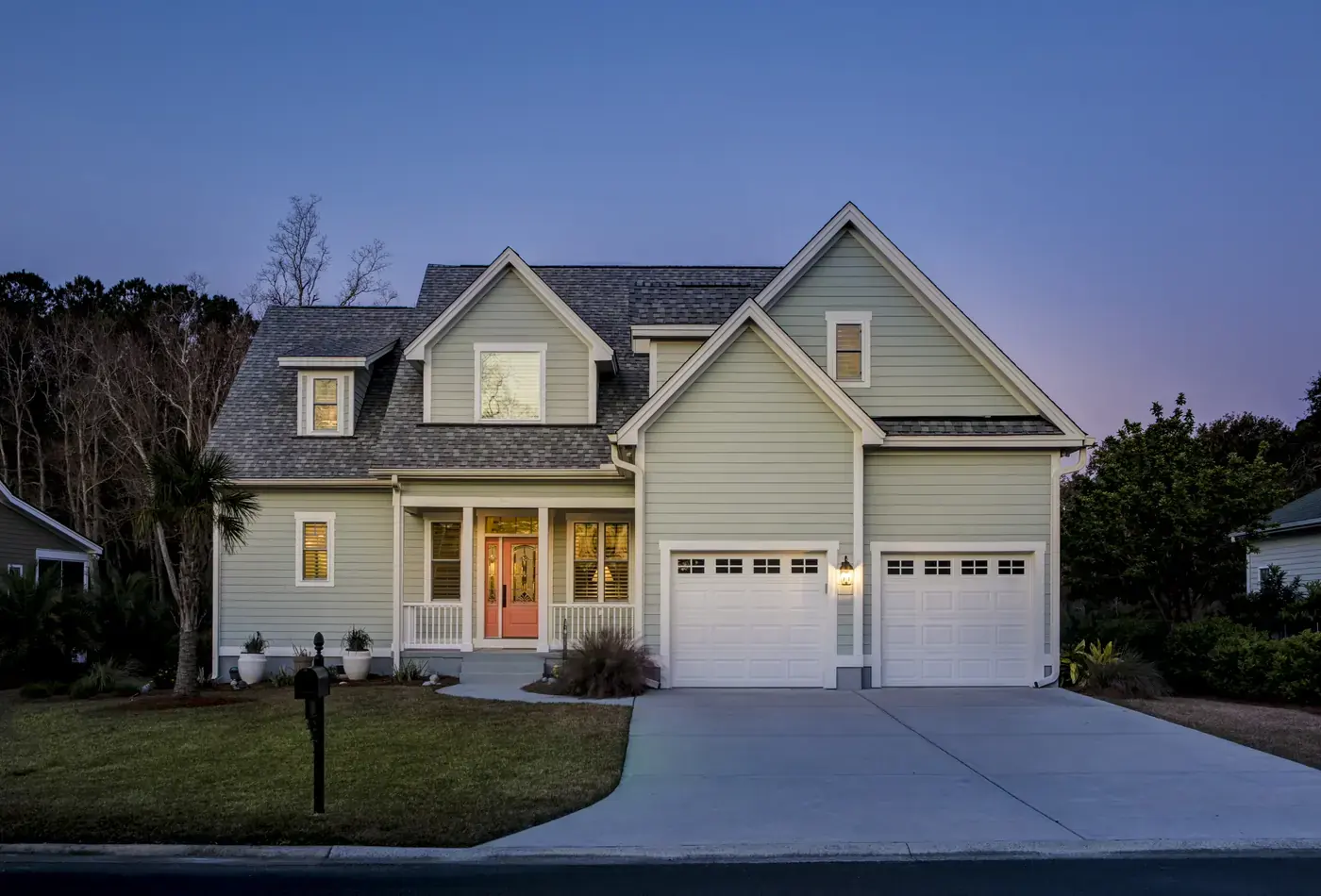
Headroom is the space between the top of the door opening and the lowest obstruction above it, usually the ceiling or a beam. A standard torsion spring system with a conventional curved track needs a reasonable amount of that space for the shaft, springs, and radius of the track. When headroom is tight, as it often is in lake cottages and detached garages near Big Muskego Lake or Lake Denoon, we may use a low-headroom track kit or a different spring arrangement so the door still opens fully.
The opposite situation comes up in newer construction with tall ceilings. If you have plenty of headroom and want to keep the door up near the ceiling to make room for a car lift, storage, or simply a more open feel, a high-lift track lets the door travel straight up the wall before turning back. High-lift and vertical-lift setups use different cable drums and spring calculations, so they need to be planned before the door is ordered.
Your opener also depends on these numbers. A ceiling-mounted trolley opener needs room behind and above the door, while a wall-mounted jackshaft opener mounts beside the door on the torsion shaft and frees up the ceiling entirely. We will explain which option suits your garage and whether your existing opener can be reused safely with the new door.
Insulation Explained
R-Value Is About Resistance To Wisconsin Cold Getting In
R-value measures how well a material resists heat flowing through it. The higher the number, the more slowly warmth escapes on a frigid night and the more slowly summer heat bakes into the garage on a humid July afternoon. For a garage door, R-value depends mostly on what is inside the sections: nothing at all in a single-layer steel door, a sheet of polystyrene foam in some insulated doors, and injected polyurethane foam in others, which bonds to both skins and adds stiffness as well as insulation.
For an attached garage in Muskego, insulation makes a real difference. The garage wall shared with your house, the bedroom above the garage, and the entry door from the garage all lose heat to whatever temperature the garage sits at. A well-insulated door helps keep that space closer to comfortable through a subzero snap, which can help keep the room above warmer and give your car a less brutal start on a January morning heading out Janesville Road.
Remember that published R-values describe the section itself, not the whole installed door. Gaps at the sides, top, and bottom leak far more air than a panel can make up for. That is why a door with good insulation needs to be installed square and sealed properly. An insulated door with poor seals behaves a lot like an uninsulated one.
For detached garages used mainly for storage, insulation may matter less, though it still quiets the door and stiffens the panels against dents and wind.
What To Look For
Signs It's Time For A New Door
Repairs Keep Adding Up
When a door needs something fixed every season, the money may be better spent on a new one. We will give you an honest comparison.
Cold, Drafty Garage
An uninsulated or poorly sealed door lets winter pour in. A new insulated door can make the garage and the rooms beside it more comfortable.
Multiple Damaged Sections
Dents, cracks, or rust across several panels usually cost more to fix piece by piece than a new door. Discontinued parts make it even harder.
Loud Or Sluggish Operation
Old doors with worn hardware grind and shudder. A new door with fresh tracks, rollers, and springs runs quietly and smoothly.
Dated Curb Appeal
The garage door is often the largest single feature on the front of a house. Updating it can refresh the whole home's look.
Outdated Safety Features
Older doors may lack pinch-resistant section joints or work with openers that have no safety sensors. A new system brings both up to date.
Our Process
How We Handle Garage Door Installation
Measure And Consult
We measure the opening, side room, headroom, and backroom, and check framing. Then we help you choose a door, insulation level, and track setup.
Quote And Order
You get a clear written quote before anything is ordered. Once you approve, we order the door built to your measurements.
Remove And Install
We safely release old spring tension, remove and haul away the old door, and install the new one level and square. Tracks, springs, and seals are all set for your garage.
Balance And Walkthrough
We balance the springs, connect and test the opener and safety sensors, and adjust the seals. Then we show you how everything works and how to care for it.
Out With The Old
We Handle The Old Door Safely And Completely
Removing an old garage door is more dangerous than installing a new one, because the springs on an old door may be rusted, fatigued, or set incorrectly from past repairs. Extension springs can be stretched along the horizontal tracks, and torsion springs above the opening may still hold a lot of energy. We release that tension in a controlled way before anything else comes apart. Please do not try to unwind torsion springs or disconnect cables yourself, even on a door you plan to throw away.
Once the springs are safe, we take the door down section by section, remove the old tracks, brackets, and spring hardware, and inspect the framing that was hidden behind it. Old jamb seals and stop molding usually come off as well, since new weatherstripping works best on clean, sound wood. We haul the old door and hardware away, so you are not left with a pile of steel panels in your driveway.
Then the new door goes in from the bottom up. Each section is set level and square, hinges and rollers are fastened, tracks are mounted plumb at the right distance from the door, and springs are installed and wound to match the door's weight. Finally the opener is connected or replaced, the safety sensors are aligned, and the whole system is balanced and tested.
- Controlled release of old spring tension before removal
- Removal and haul-away of old door, tracks and hardware
- Inspection and repair of jambs and header framing
- New tracks, springs, cables and rollers matched to the door
- Opener connection, sensor alignment and balance testing
Seal It Tight
Weatherseal Keeps Out Snow, Slush And Lake Breezes
A garage door has three seals and each one matters. The bottom seal, attached to the base of the lowest section, compresses against the floor to block drafts, water, leaves, and critters. The perimeter seal, usually a vinyl stop molding with a flexible flap, closes the gap at the sides and top of the door. Between sections, many insulated doors have tongue-and-groove joints or built-in seals that keep wind from whistling through the panels themselves.
In our climate, the bottom seal works hardest. Snow piles against it, slush freezes it to the floor, and uneven concrete slabs, common in older garages around Tess Corners and the Racine Avenue area, leave gaps that a standard seal can't close. We check the floor while installing and choose a bottom seal profile that can handle the dips. When a slab is badly heaved, we will mention a threshold seal as an option.
Good sealing also keeps humid lake air and spring storm rain from driving in around the door. After installation we close the door and look for daylight along the edges, then adjust the stop molding until the seal contacts the door evenly without dragging. That last bit of adjustment is what turns an insulated door into a warm garage.
We install new doors throughout Muskego and nearby New Berlin, Franklin, Hales Corners, Big Bend, Waterford, and Vernon. We quote the price before we start, and we are glad to walk you through parts and labor coverage on your new door.
- Bottom seal sized for your floor, including uneven slabs
- Perimeter stop molding set to touch the door evenly
- Section joints that block wind between panels
- Optional threshold seals for heaved or sloped floors
Garage Door Installation FAQ
Questions About Garage Door Installation
Most residential installations are completed in a single visit once the door arrives. Larger doors, framing repairs, or a new opener can add time. We will give you a realistic schedule when we quote the job.
Yes. We release the old springs safely, take down the door, tracks, and hardware, and haul everything away. You will not be left with old panels to deal with.
For an attached garage, especially one with living space above or beside it, a well-insulated door is usually worth it in a Wisconsin winter. For a detached garage used for storage, a lower insulation level may be fine. We will help you match insulation to how you actually use the space.
Sometimes. If your opener is in good condition, has working safety sensors, and is rated for the new door's size and weight, we can reconnect it. If it's old or underpowered, we'll explain why a replacement makes sense.
Low headroom is common in lake cottages and older detached garages. We can use low-headroom track kits or alternate spring arrangements so the door still opens fully. We check headroom during the measuring visit so the right hardware is ordered.
Please don't. Old springs can be rusted, fatigued, or wound incorrectly, and releasing them without proper tools and training is dangerous. Never adjust torsion springs or cables yourself. Removal is included in our installation work for that reason.
Muskego Garage Door Pros
Ready For A New Door?
Book a measuring visit and we will help you choose the right door, insulation, and track setup for your home. You get the price before we start.
More Services
Other Ways We Help Muskego Homeowners
 Garage Doors
Garage Door Materials
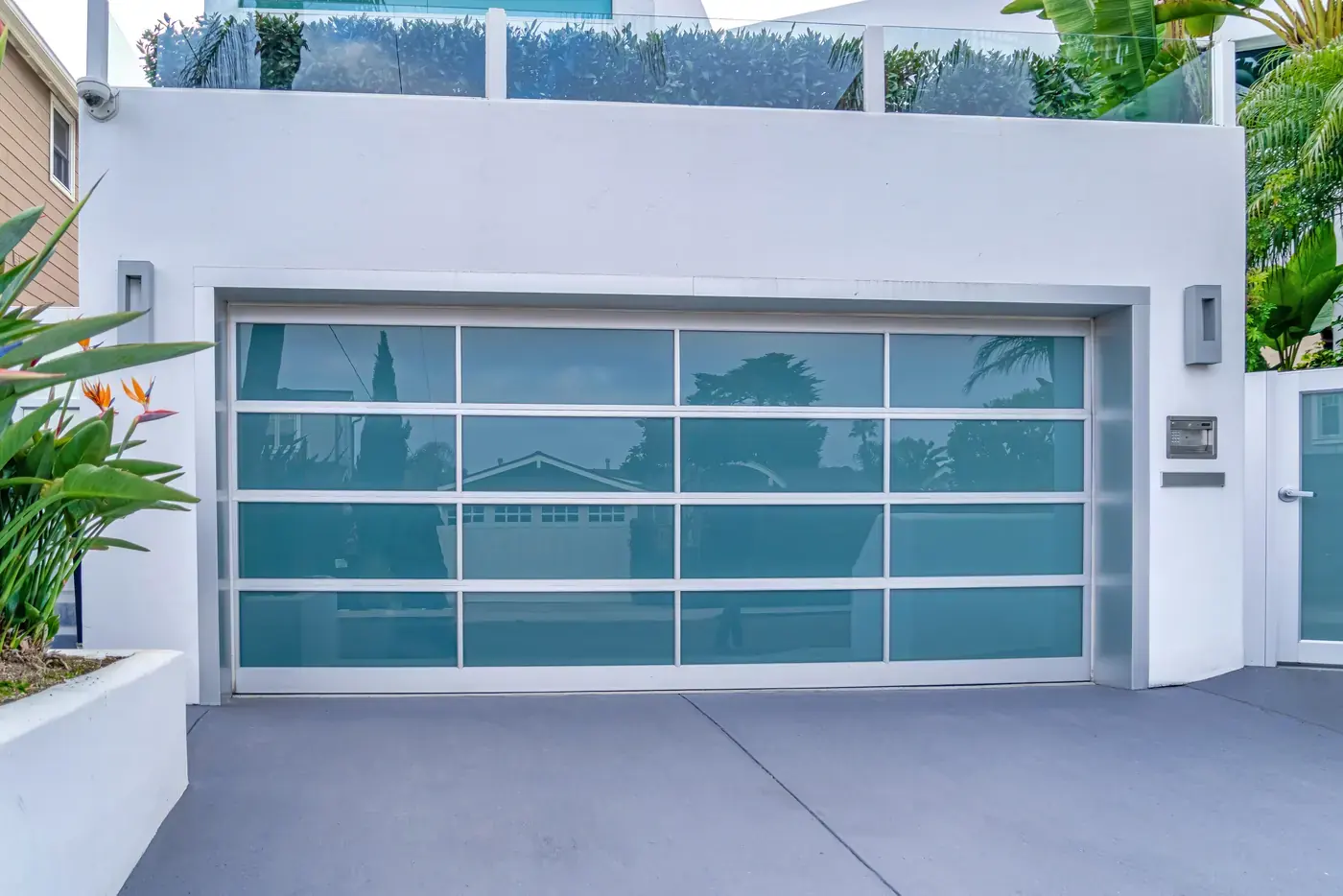
Steel, wood, composite, aluminum and glass — straight talk on what survives Wisconsin.
Learn More → Garage Doors
Garage Door Styles
Raised panel, carriage house, modern flush or full-view glass, matched to your home.
Learn More →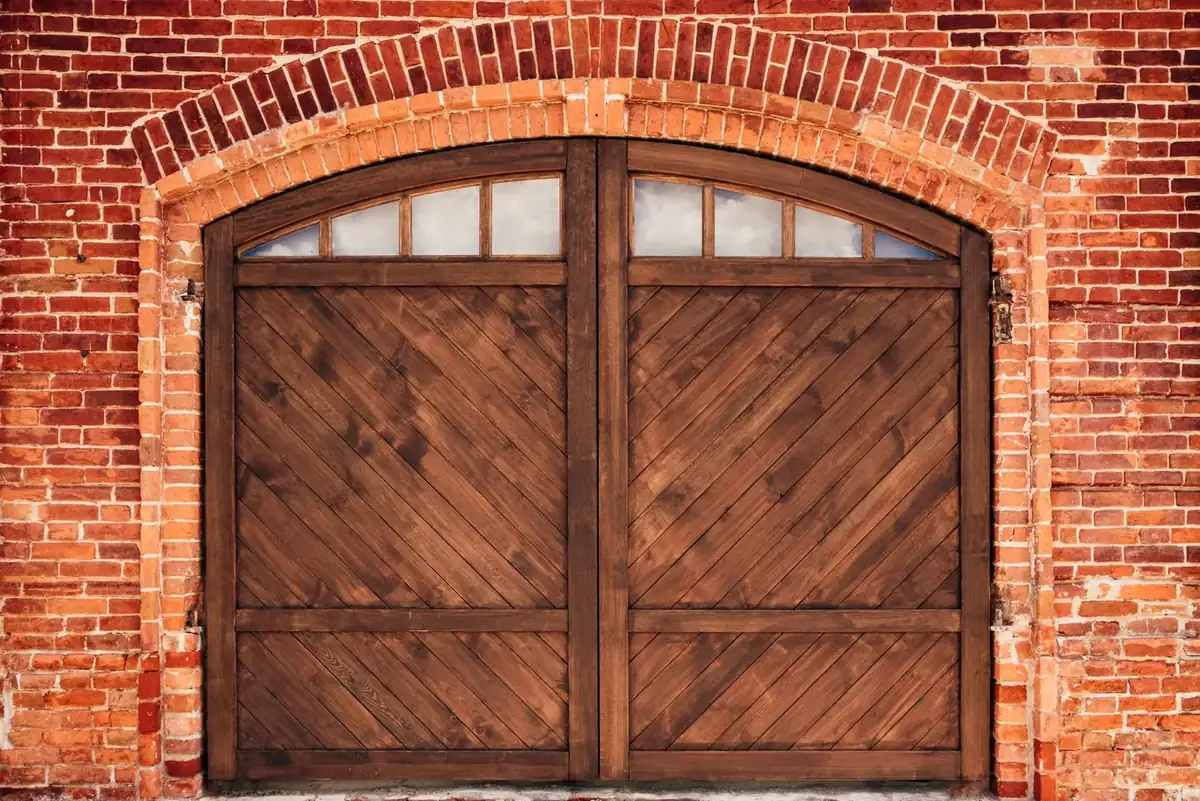 Garage Doors
Custom Garage Doors
Custom sizes, colors, wood species, glass and hardware for one-of-a-kind homes.
Learn More →