
- Home
- Service & Repair
- Track Replacement
Service & Repair · Muskego, WI
Garage Door Track Replacement in Muskego, WI
When a track bends or pulls loose, the door can jam, tilt, or drop off its rollers. We realign or replace tracks and brackets so your door travels straight, quietly, and safely again.
- Same-day service
- Price before we start
- Safety-tested
How Tracks Work
Tracks Steer The Door Every Inch Of The Way
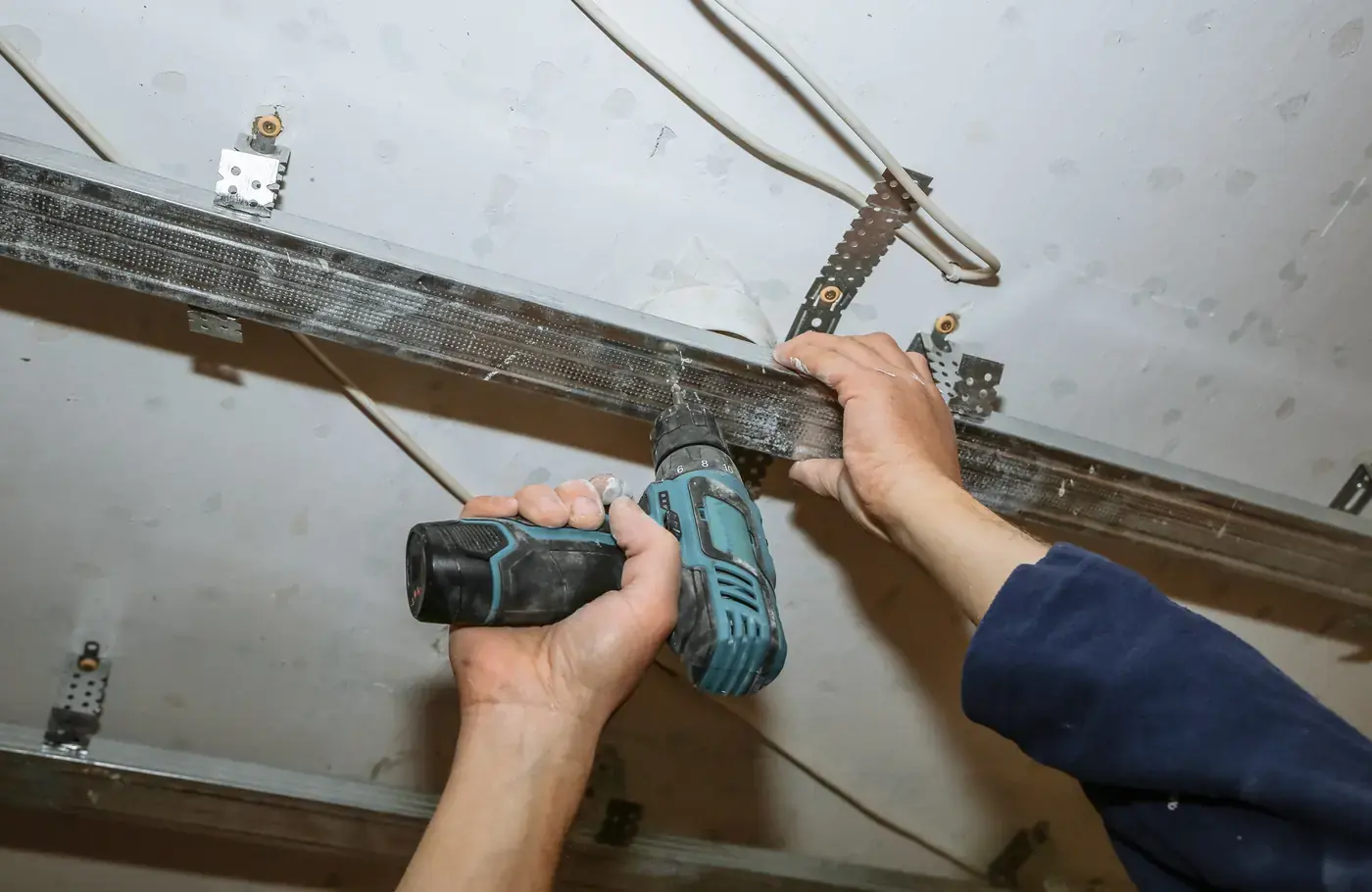
Your garage door rides on two steel tracks, one on each side. Each track has a vertical leg that runs up the side of the opening, a curved radius section at the top, and a horizontal leg that runs back toward the ceiling. Rollers mounted on every section of the door sit inside those tracks, and the curve of the radius is what lets a stack of flat panels turn the corner from upright to overhead. The tracks don't lift the door, since the springs do that, but they control exactly where it goes.
To work properly, the two tracks have to be parallel, plumb on the vertical legs, level or slightly pitched on the horizontal legs, and spaced correctly from the door so the rollers sit fully in the channel without rubbing. Jamb brackets fasten the vertical track to the wall, flag brackets tie the track to the header area, and rear hangers suspend the horizontal track from the ceiling framing. If any one of those connections loosens, the geometry shifts and the door starts fighting its own path.
Track problems rarely stay small. A slightly bent section makes a roller bump and skip, which hammers the bend a little deeper every cycle. A loose bracket lets the track flex outward under load until a roller pops free. Because the door weighs a lot and moves under spring and opener force, a minor misalignment can turn into a door hanging crooked in the opening surprisingly fast.
What Goes Wrong
Bent, Loose Or Out Of Line The Usual Track Failures
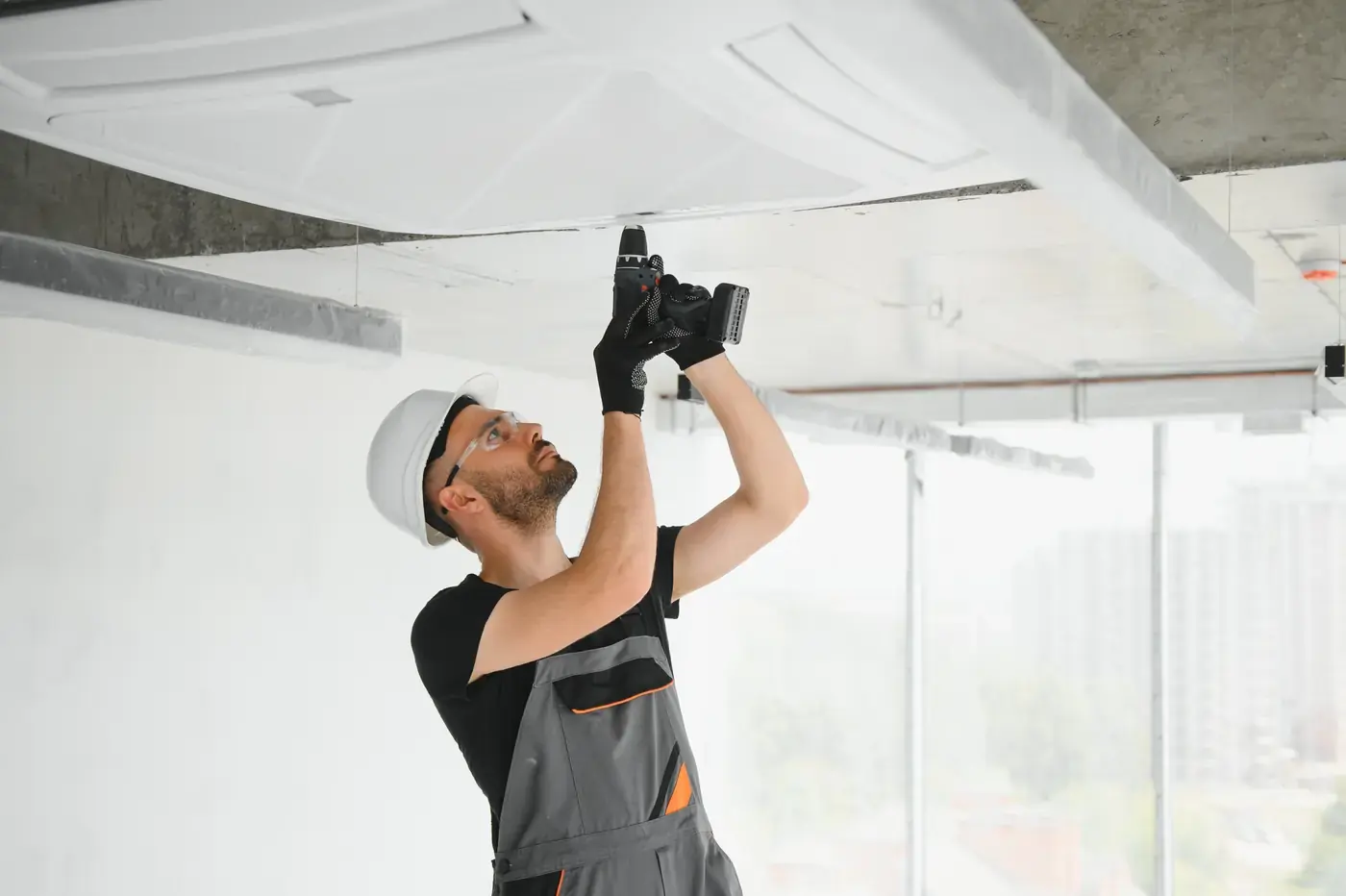
Impact is the most common cause. A car backing out before the door is fully up, a snowblower clipping the bottom of the vertical track, or a trailer tongue swinging into the side of the opening can kink the steel. Even a small dent in the channel narrows the space the roller has to pass through, and that pinch point is where the door starts catching. In tight garages in older Muskego subdivisions, where the track sits close to where people park bikes and mowers, side impacts happen more often than you would expect.
Loose fasteners are the quieter culprit. Every open and close cycle sends vibration through the brackets, and over years lag screws back out of wood framing. Garages near Little Muskego Lake and Lake Denoon see extra humidity, and seasonal swelling and shrinking of jamb wood loosens fasteners even faster. Rear hangers attached to a single ceiling joist with light hardware can sag, which tilts the horizontal track and makes the door drift or bind at the top.
Then there is wear and corrosion. Road salt carried in on tires each winter settles at the bottom of the vertical tracks, and the lower few inches can rust thin or flake. Worn or cracked rollers also chew at the track lip over time. Off-track doors usually result from a combination of these factors: a weakened bracket, a worn roller, and one hard bump or forced cycle that finally pushes the roller out of the channel.
Spring storms can contribute too. A door that was pushed in by strong wind while closed can stress the bottom brackets and the lower track sections.
- Kinked or dented vertical track from vehicle or equipment impact
- Jamb and flag brackets pulled loose from framing
- Sagging rear hangers that tilt the horizontal track
- Tracks too close or too far from the door edge
- Rusted or thinned track bottoms from road salt and meltwater
- Rollers popped out of the channel after a forced cycle
Off-Track Doors
When The Door Comes Off Track Stop, Unplug And Step Back
A door that has jumped its track is one of the most dangerous situations in a garage. The door may be hanging at an angle with only some rollers engaged, the springs and cables are still loaded, and the weight of the door is resting on parts that were never meant to carry it sideways. Any attempt to push it back, run the opener, or pull on the cables can release that weight suddenly. Please do not try to force it, and never loosen torsion springs, drums, or cables yourself.
Instead, unplug the opener or pull its power so nobody presses the wall button by habit. Keep vehicles inside or outside as they are, and keep children and pets away from the opening. If the door is partly open, don't walk under it. If it's closed and stable, leave it closed. Then call us and describe what you see: which side came off, how high the door is, and whether a cable looks slack or unwound. That helps us arrive with the right parts.
When we arrive, we secure the door first, usually by clamping it in place and taking spring tension off in a controlled way. Then we work rollers back into the track, straighten or replace damaged track sections, and fix whatever let the door come off in the first place. Simply putting the rollers back without addressing a loose bracket or bent track only sets up the next derailment.
What To Look For
Signs Your Track Needs Attention
Door Hangs Crooked
If one side sits higher than the other or the door tilts in the opening, rollers may have left the track. Stop using it and call.
Rollers Bump Or Skip
A thump at the same point every cycle usually means a dent or kink in the channel. That spot will get worse with each pass.
Gaps Between Door And Track
Tracks that have pulled away from the door let rollers sit too shallow. One hard push can pop them out entirely.
Loose Or Bent Brackets
Wobbly jamb brackets or a sagging rear hanger mean the track is no longer held in position. Fasteners should be tight and solid.
Grinding Or Scraping Noise
Metal-on-metal sounds often point to a roller rubbing the track edge. Misalignment and worn rollers are the usual causes.
Rust At The Track Bottoms
Flaking or thinning steel at the base of the vertical tracks comes from salt and meltwater. Weak steel bends under load.
Our Process
How We Handle Track Replacement
Secure The Door
We stabilize the door and take spring tension off in a controlled way before touching any track. That prevents sudden drops while we work.
Diagnose The Cause
We check track alignment, brackets, hangers, rollers, and framing to find out why the problem happened. Then we quote the repair before we start.
Realign Or Replace
Tracks are straightened and reset or replaced with matching sections, and brackets are refastened into solid framing. Worn rollers are swapped while the door is apart.
Rebalance And Test
We restore spring tension, check balance, and cycle the door several times. Finally we test the opener's safety reversal and photo-eyes.
Fix Or Replace
Straighten What We Can Replace What We Should
Not every track problem needs new steel. If the track is only out of alignment, we loosen the brackets, reset the vertical legs plumb and at the right distance from the door, set the horizontal legs at the proper pitch, and re-fasten everything into solid framing. Minor dents in the outer flange can sometimes be dressed back into shape. When the channel itself is creased, crushed, or rusted thin, we replace the section, because a straightened kink stays weak and will usually bend again.
Brackets get the same honest evaluation. Stripped or bent jamb brackets, cracked flag angles, and flimsy rear hangers are replaced with sturdy hardware, and we add extra bracing where the original install was undersized. Rollers are inspected while the door is apart, since worn rollers and bent tracks tend to go hand in hand. We quote the price before we start, so you know what will be repaired and what will be replaced.
Track gauge and radius have to match the door. A residential door built for a fifteen-inch radius won't run smoothly in a twelve-inch curve, and a low-headroom setup uses a different track design altogether. We match replacement track to your door's size, weight, and headroom so the new parts fit the system instead of fighting it.
Before we leave, we run the door through several full cycles and test the opener's safety reversal, because a properly aligned track is part of what lets the door stop and reverse correctly.
- Realign vertical and horizontal tracks to correct spacing and pitch
- Replace creased, crushed or rust-thinned track sections
- Install new jamb brackets, flag angles and rear hangers as needed
- Inspect and replace worn rollers and hinges
- Match track radius and style to your door and headroom
Keep It Running
Simple Habits That Help Tracks Stay Straight Longer
A few habits go a long way. Wait until the door is fully open before backing out, especially on snowy mornings when everyone is in a hurry. Keep bikes, mowers, and snowblowers parked away from the vertical tracks. In winter, sweep salty slush away from the bottom of the tracks instead of letting it pool there until spring. These steps cost nothing and protect the lowest, most vulnerable part of the track from both impact and corrosion.
Pay attention to sound and motion. A new clunk, a roller that jumps as it passes one spot, or a door that drifts sideways as it closes are early signs of a track or bracket problem. Look up at the rear hangers now and then to make sure they aren't sagging. Don't grease the inside of the tracks, though, because grease collects grit and makes rollers skid instead of roll. Lubricate rollers, hinges, and bearings instead.
If something looks off, call before it gets worse. We serve homes from the lake cottages near Big Muskego Lake to newer construction off Moorland Road, plus New Berlin, Franklin, Hales Corners, Wind Lake, and nearby communities. We offer same-day service when you call early, and evening and weekend appointments when available.
Track Replacement FAQ
Questions About Track Replacement
We don't recommend it. An off-track door is still connected to loaded springs and cables, and its weight is resting on parts that aren't designed to hold it that way. Forcing it can drop the door or release cable tension suddenly. Unplug the opener, keep clear, and call us.
Minor flange dents and alignment problems can often be corrected. When the channel itself is creased, crushed, or rusted thin, replacement is the safer choice because the weakened spot tends to bend again. We'll show you the damage and explain which option fits.
It's usually a combination of factors: a loose bracket, a worn roller, a slight bend, and then one impact or forced opener cycle. Spring or cable problems that make one side lift unevenly can also pull rollers out. We fix the cause, not just the symptom.
Not always. If only one side is damaged and the other is straight and sound, we can replace just the damaged sections. When both tracks are worn or rusted, or the door is being upgraded, replacing both keeps the system matched.
No. Grease inside the tracks collects dirt and makes rollers slide instead of roll. Keep the tracks clean and dry, and lubricate the rollers, hinges, and spring bearings instead with a garage door lubricant.
If the door is binding, tilting, or making new noises, stop using it. Running a door through a bent track can push rollers out and cause the door to fall or jam partway. Leave it closed if it's stable and have it checked.
Muskego Garage Door Pros
Door Off Track Or Binding?
Keep clear, unplug the opener, and let us handle it safely. Call early for same-day track repair in Muskego and nearby towns.
More Services
Other Ways We Help Muskego Homeowners
 Service & Repair
Drum Replacement
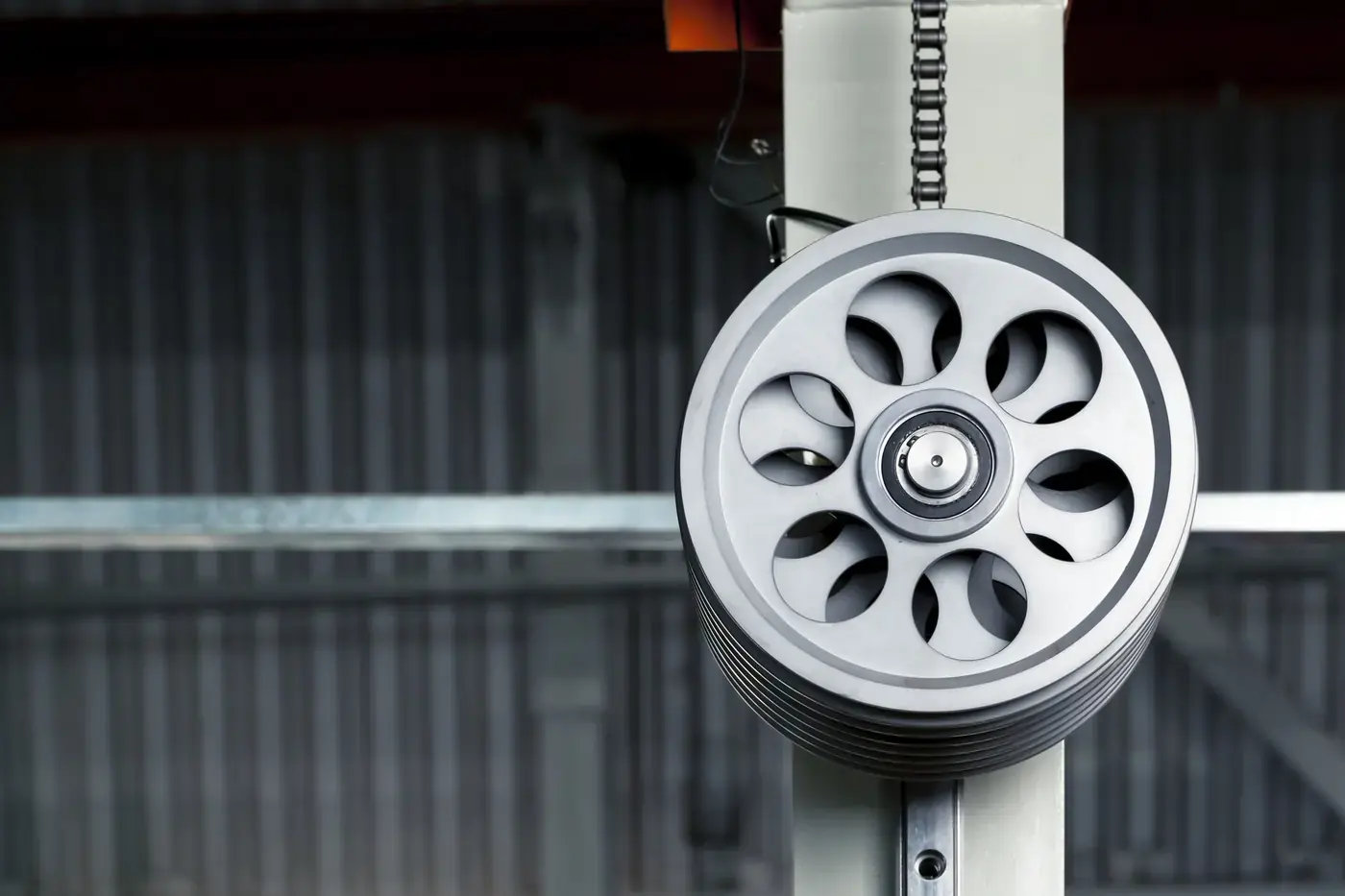
Worn cable drums swapped and set evenly so both sides lift in balance.
Learn More →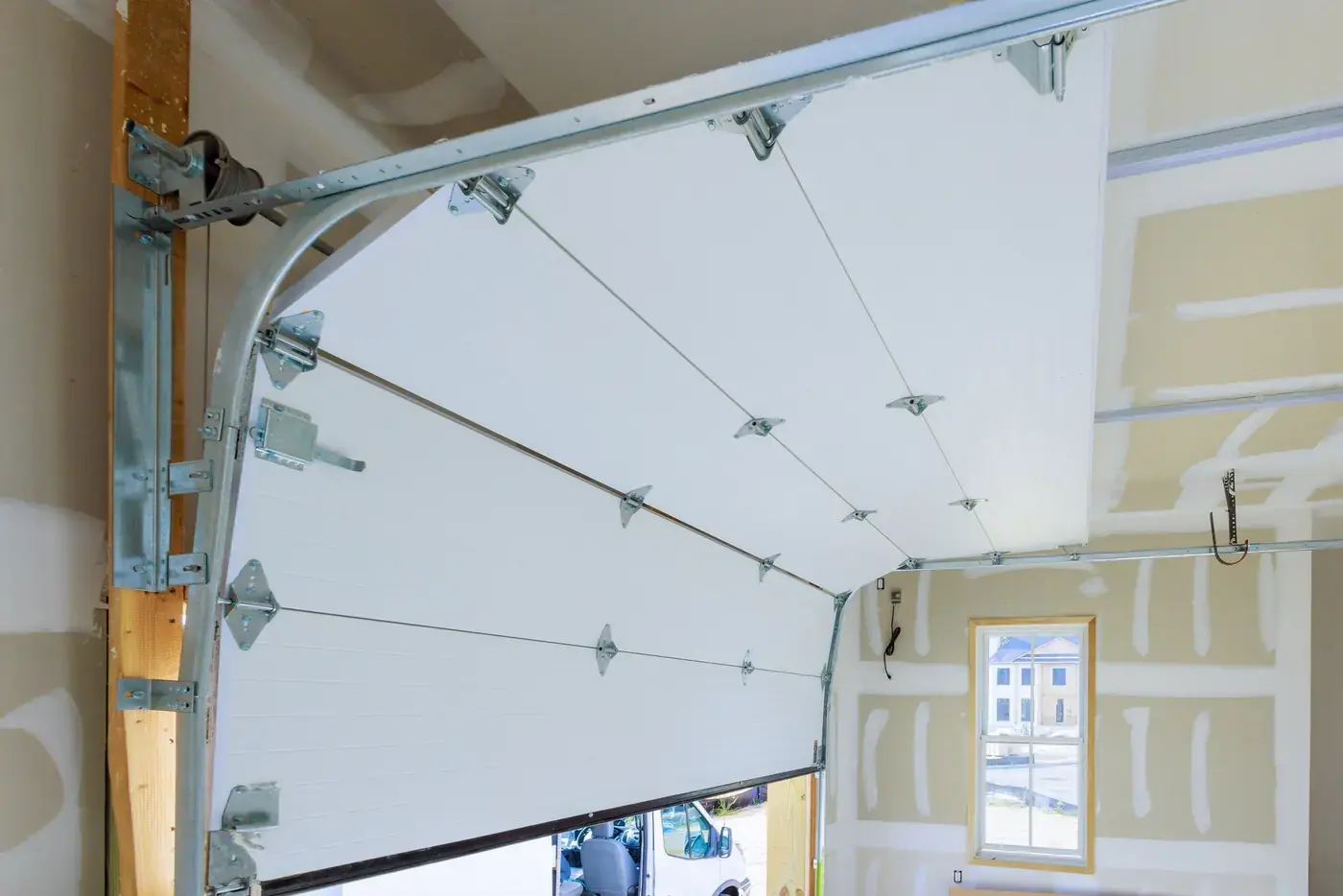 Garage Doors
Garage Door Installation
New insulated doors measured, installed, sealed and balanced — old door hauled away.
Learn More → Garage Doors
Garage Door Materials
Steel, wood, composite, aluminum and glass — straight talk on what survives Wisconsin.
Learn More →