
- Home
- Service & Repair
- Drum Replacement
Service & Repair · Muskego, WI
Garage Door Cable Drum Replacement in Muskego, WI
Cable drums wind the lift cables that raise your door. When their grooves wear or a drum cracks or slips, the door lifts unevenly and cables fail. We replace drums safely and rebalance the whole system.
- Same-day service
- Price before we start
- Safety-tested
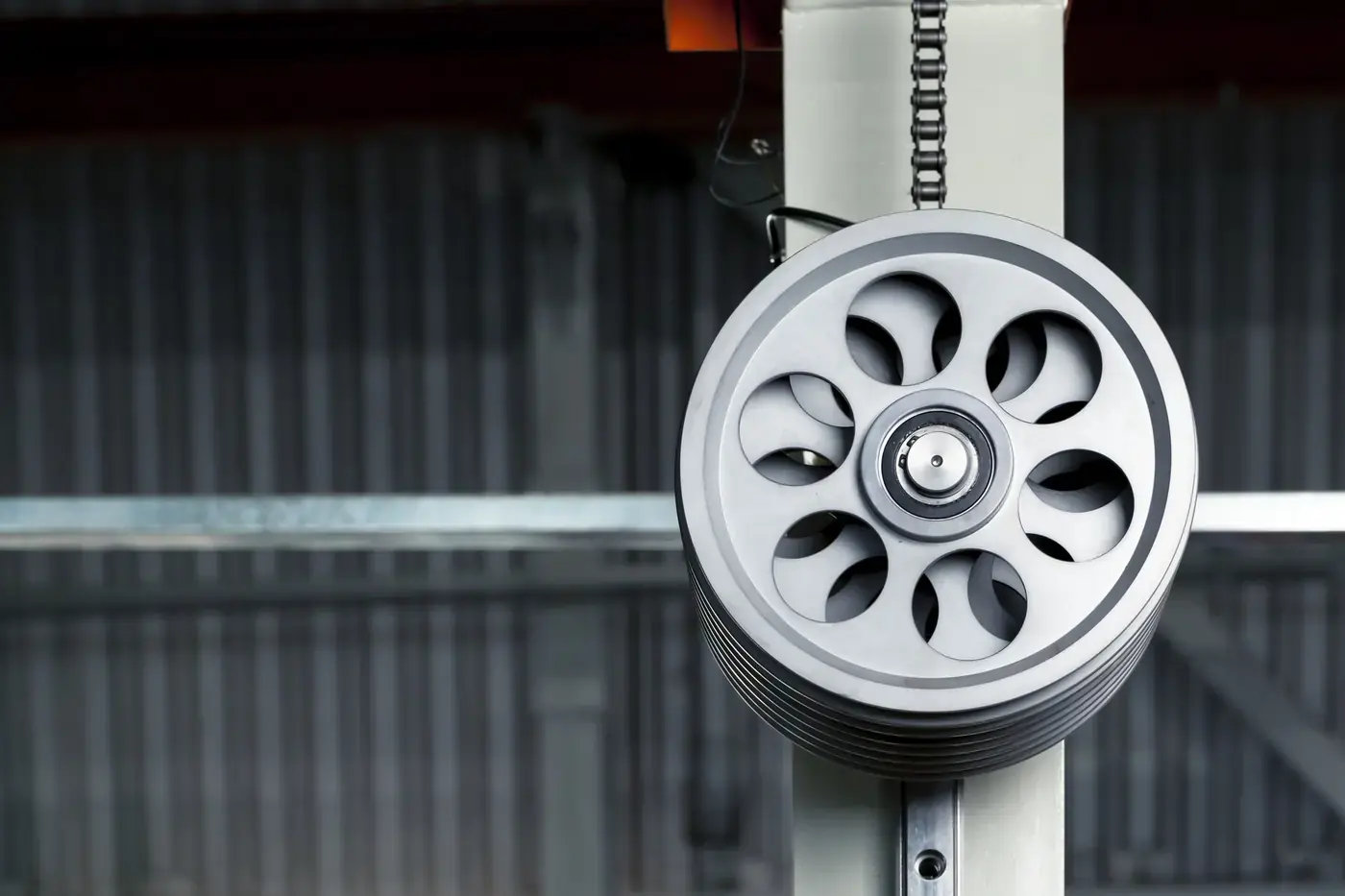
How Drums Work
Small Parts On The Shaft Doing A Very Big Job
If your door uses torsion springs, there is a steel shaft running across the top of the opening with a spring or two wound around it. At each end of that shaft sits a cable drum, a grooved spool, usually cast aluminum. A lift cable runs from the bottom bracket of the door up to each drum, where it is anchored in a slot and wraps into the grooves. When the springs unwind, they turn the shaft, the drums spin, and the cables wind onto the grooves, lifting the door evenly from both sides.
The grooves are not decoration. They are machined so each wrap of cable lies neatly beside the last, which keeps the effective diameter of the drum consistent and the lift predictable. Residential drums come in different sizes and profiles matched to door height and weight. Standard-lift drums suit most attached garages, while high-lift and vertical-lift drums are used where tracks run higher up the wall, and each design changes how the spring's force is delivered across the door's travel.
Each drum is locked to the shaft with set screws tightened against the steel. Both drums must be set so the cables carry equal tension, because the door is only level if both sides lift together. That shared balance between springs, shaft, drums, and cables is why drum work is never just a parts swap. It is a rebalancing of the entire counterbalance system.
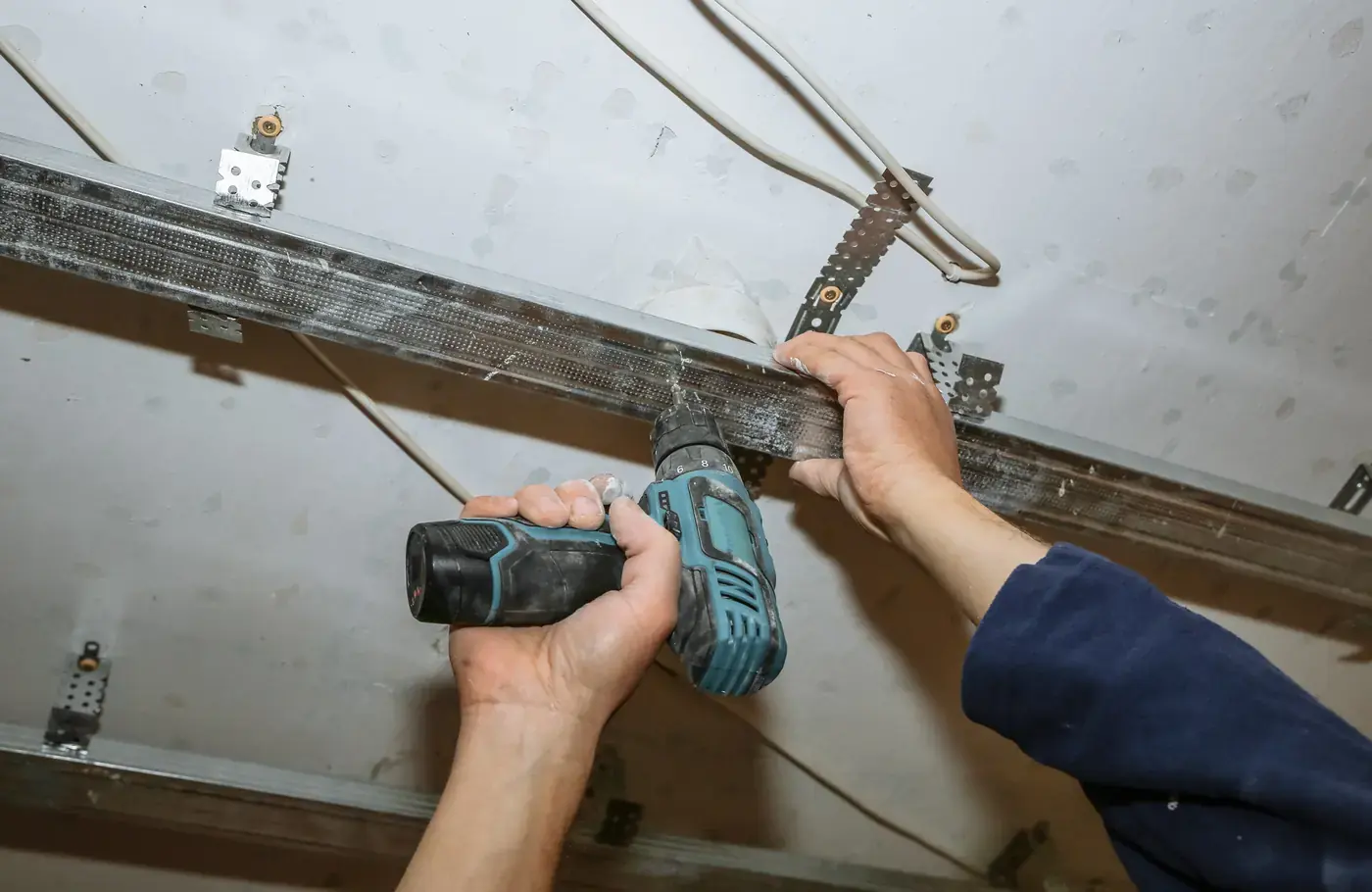
Why They Fail
Grooves Wear And Metal Fatigues Usually Long Before You Notice
Drum grooves wear slowly. Every cycle drags a steel cable across aluminum, and after years of daily use the grooves become shallow or develop sharp edges. A worn groove lets the cable slip out of position and stack on itself, so one side winds more cable per turn than the other. The door lifts unevenly, the cable on the high side frays faster, and the drum wears even more. On a busy household door that goes up and down several times a day, that cycle can accelerate quickly.
Cracks are the other common failure. Cast drums can crack at the set-screw hub or through the flange, sometimes from overtightened set screws, sometimes from an impact when a cable snapped or a spring broke and the shaft spun violently. Cold matters too. During subzero snaps in a detached garage near Big Muskego Lake or Wind Lake, metal is at its least forgiving, and a drum with a hidden flaw is more likely to give up then.
Corrosion adds to it. Humid lake air and the moisture that comes off wet, salty cars in winter settle on the hardware above the door. Rust on the cable and set screws, plus surface corrosion on the drum, leads to rough winding and screws that loosen or seize. A slipped drum, one that has rotated on the shaft because a set screw backed off, instantly throws the door out of level and can let a cable come off completely.
Drums also suffer when other parts fail. A broken spring, a frayed cable, or a door that came off track can all shock-load the drums, so we check them whenever we're working on those parts.
- Shallow or sharp-edged grooves from years of cable wear
- Cracked hubs or flanges from impact or overtightened set screws
- Drums slipped on the shaft after set screws loosened
- Rust and corrosion from humid lake air and winter moisture
- Wrong drum size for the door's height or lift style
- Damage after a spring break or cable snap
Balance Matters
A Level Door Starts With Matched Drums
When one drum is worn or slips, the effects show up all over the door. One side rises ahead of the other, the bottom edge stops sitting flat on the floor, and gaps appear along the bottom seal that let in snow and cold air off the driveway. The opener has to fight a door that is pulling sideways, rollers bind in the track, and the spring on the shaft may be carrying more load than it was set for.
That's why we replace drums as a matched pair. Even if only one is cracked, the other has been running alongside it for the same number of cycles, and a new drum paired with a worn one rarely winds identically. Fresh drums on both ends, with cables seated properly in clean grooves, give both sides the same lift. In most cases we also recommend new lift cables at the same time, because cables that rode on worn grooves are usually frayed or kinked.
Once the new drums are on, we set the cable tension equally on both sides, confirm the door sits level at the floor, and adjust the springs so the door balances. A balanced door should stay roughly where you leave it when lifted halfway by hand with the opener disconnected. That test tells us the whole counterbalance system is working as one.
What To Look For
Signs Your Drums Are Wearing Out
Door Lifts Unevenly
If one side rises ahead of the other, a drum may be worn, slipping, or mismatched. The door will start binding in the track.
Cable Off The Drum
A cable hanging loose or wound outside its grooves means something has slipped. Stop using the door right away.
Frayed Lift Cables
Broken strands near the drum often come from worn grooves with sharp edges. Fraying cables and worn drums usually travel together.
Gap At The Bottom Seal
A door that no longer sits flat on the floor lets in cold and snow. Unequal cable tension from drum problems is a common cause.
Visible Cracks Or Rust
Cracks around the hub or flange and heavy corrosion weaken the drum. Look from a safe distance only, without touching anything.
Clicking At The Top
Popping, clicking, or a jerky start as the door lifts can mean a drum is shifting on the shaft. Loose set screws need professional attention.
Our Process
How We Handle Drum Replacement
Inspect The System
We look at drums, cables, springs, shaft, and bearings to understand why the drum failed. You get a clear quote before we start.
Release Spring Tension
We unwind the torsion springs with proper winding bars and secure the door. Only then is it safe to loosen the drums.
Install Matched Drums
New drums go on as a pair with cables anchored and seated in clean grooves. Worn cables are replaced at the same time.
Rebalance And Test
We rewind the springs, set equal cable tension, and confirm the door sits level and balances by hand. Then we test the opener and safety reversal.
Safety First
Drums Hold Stored Energy Leave Them To A Pro
Cable drums are mounted directly on the torsion shaft, and the springs on that shaft are wound tight enough to lift the full weight of your door. Loosening a drum set screw while the springs are loaded can let the shaft spin, whip the cable, and drop the door. That is the single most common way people get hurt trying to fix a garage door. Please never loosen drum set screws, cables, or torsion springs yourself, even if a video makes it look simple.
To change drums safely, we first fully unwind the torsion springs using proper winding bars, secure the door so it cannot move, and only then loosen the drums and slide them off the shaft. Depending on the setup, we may also need to remove the center bearing or end bearing plates. New drums go on, cables are anchored and wrapped correctly, and springs are rewound to the right number of turns for your door.
If you notice a drum issue, the safest steps are simple. Stop using the door, leave it closed if possible, unplug the opener, and keep everyone clear. If the door is stuck partway open, don't walk under it. Call us and tell us what you see; a loose cable, a crooked door, or a drum that looks out of place are all useful details.
Done Right
The Right Drum For Your Door Installed And Tuned On Site
Drum selection depends on your door's height, weight, and track layout. Most homes in Muskego's 1970s to 1990s subdivisions use standard-lift drums, but many newer homes with taller ceilings have high-lift track, and some shops and lake garages use custom configurations. Installing the wrong drum changes how much lift the springs deliver at each point of travel, which can leave a door that floats up too fast or drops too hard. We match the drum to the system, not just to the shaft.
While the system is apart, we inspect the shaft for wear at the bearings, check the end bearing plates and center bearing, look over the springs for gaps or rust, and examine rollers and hinges. Catching a weak spring or a worn bearing during a drum replacement saves you a second visit later. Everything we find goes into your quote, and we quote the price before we start so there are no surprises.
We serve homeowners throughout Muskego, from the Tess Corners area and Janesville Road corridor to homes near Idle Isle Park and Lake Denoon, as well as New Berlin, Franklin, Hales Corners, Big Bend, and Vernon. Same-day service is available when you call early, and we offer evening and weekend appointments when available. Ask about parts and labor coverage when we visit.
- Standard-lift, high-lift and vertical-lift drums matched to your track
- Drums replaced in pairs for equal winding
- New lift cables recommended alongside worn drums
- Shaft, bearings and springs inspected while apart
- Full rebalance and safety reversal test before we leave
Drum Replacement FAQ
Questions About Drum Replacement
Cable drums sit at each end of the torsion shaft and wind the lift cables as the springs turn the shaft. Their grooves keep the cable wrapping evenly so both sides of the door lift together. Without healthy drums, the door can't rise level.
Please don't. Drums are mounted on a shaft held by fully wound torsion springs, and loosening a set screw under tension can spin the shaft and drop the door. Never adjust torsion springs, drums, or cables yourself. This is a job for trained technicians with the right tools.
We recommend replacing them as a pair. Both drums have worn for the same number of cycles, and mixing a new drum with an old one often leads to uneven winding. Matched drums give equal lift and help new cables last.
Usually, yes. Cables that have run over worn grooves tend to be frayed, kinked, or flattened. Since the system is already apart and the springs are unwound, replacing cables at the same time is efficient and avoids a second visit.
A crooked lift is often caused by a slipped or worn drum, a stretched or frayed cable, or a broken spring on a two-spring system. Track problems can also contribute. We inspect the whole counterbalance system to find the actual cause.
Drum size depends on door height, weight, and whether the track is standard-lift, high-lift, or vertical-lift. Many drums have markings cast into them, but they may be worn or wrong from a past repair. We confirm the correct drum during our inspection.
Muskego Garage Door Pros
Door Lifting Crooked?
Stop using it and let us check the drums, cables, and springs. Call early for same-day service in Muskego and surrounding communities.
More Services
Other Ways We Help Muskego Homeowners
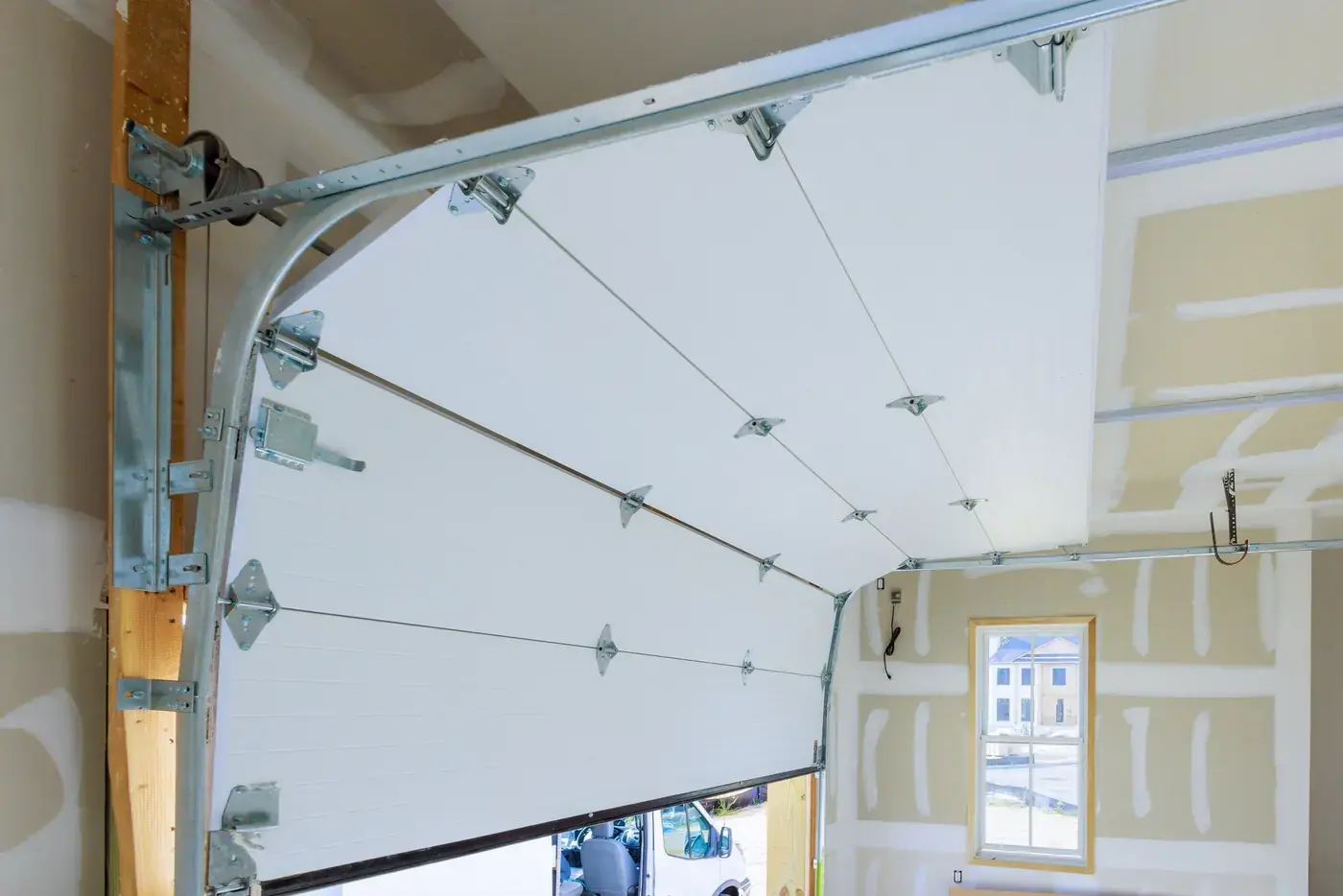 Garage Doors
Garage Door Installation
New insulated doors measured, installed, sealed and balanced — old door hauled away.
Learn More →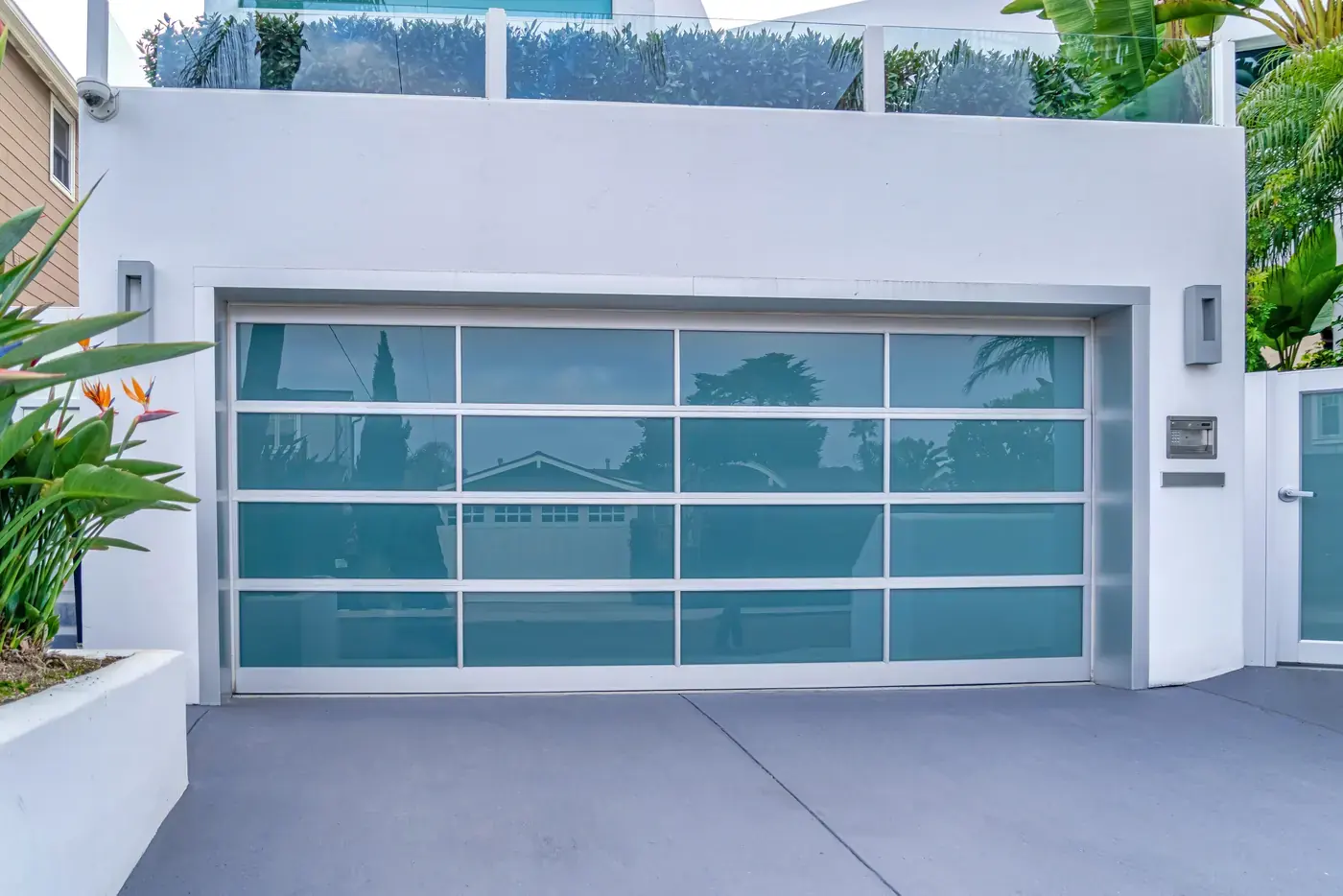 Garage Doors
Garage Door Materials
Steel, wood, composite, aluminum and glass — straight talk on what survives Wisconsin.
Learn More → Garage Doors
Garage Door Styles
Raised panel, carriage house, modern flush or full-view glass, matched to your home.
Learn More →